




Pharmaceutical analysis
Pharmaceutical analysis is an analytical method that allows for the identification, determination, quantification, purification, and separation of the active compound from a pharmaceutical mixture, thereby ensuring the quality, purity, and safety of medicinal products. Also known as quantitative testing of pharmaceutical chemistry and biology, it determines the quality of medicinal products through analytical chemistry and provides essential information on the purity and safety of pharmaceutical products.
* By filling out the form, I accept the use of my personal data for professional purposes. Learn more about our Privacy policy
Documentation & Publications

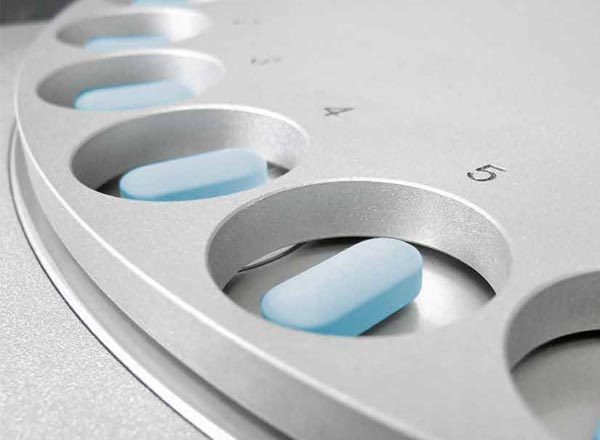
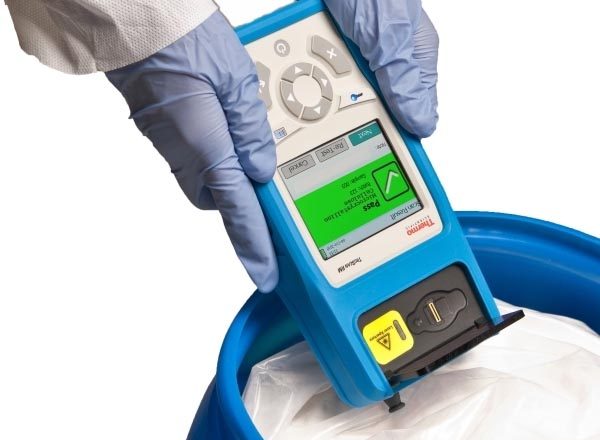

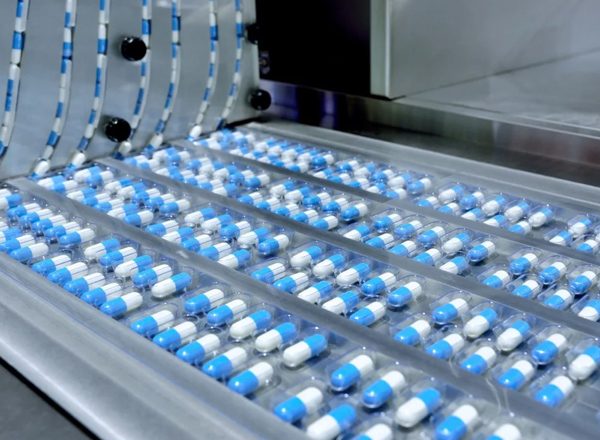
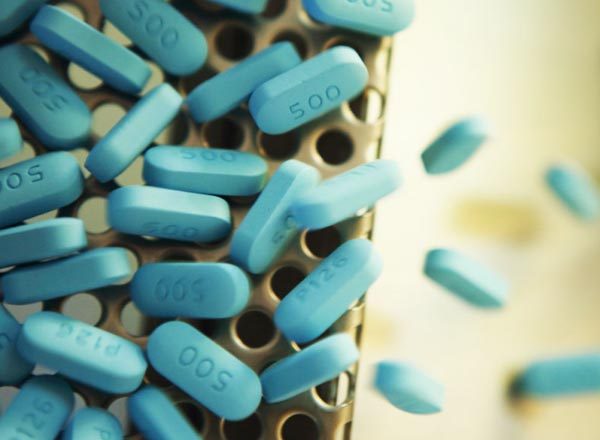
In the context of medication dispensing, pharmaceutical analysis is an integral part of the dispensing process and includes the regulatory and pharmacological analysis of prescriptions, allowing for the verification of dosages, doses, treatment durations, absence of contraindications and drug interactions.
The main objectives of pharmaceutical analysis include optimizing the efficacy, safety, and efficiency of therapeutics, reducing healthcare costs, and achieving optimal patient pharmaco-adherence.
Pharmaceutical analysis enables complete verification of prescribed medications, including the choice of medications, dosages, drug interactions (medications, phytotherapy, self-medication), risk prevention, and optimization of therapeutic use.
Its objective is to detect potential problems related to therapy, inappropriate prescriptions: allergies, over- or under-prescriptions, unwanted drug interactions, and other potential risks.