





Presence of elementary contaminant
Presence of elementary contaminants refers to the detection and quantification of chemical elements in food, environmental samples, and industrial products that pose potential health risks or regulatory compliance issues. These contaminants include heavy metals, trace elements, sodium, potassium, and elemental speciation such as chromium or tin forms that can be present in various matrices including food products, water, soil, and air.
* By filling out the form, I accept the use of my personal data for professional purposes. Learn more about our Privacy policy
Documentation & Publications
-

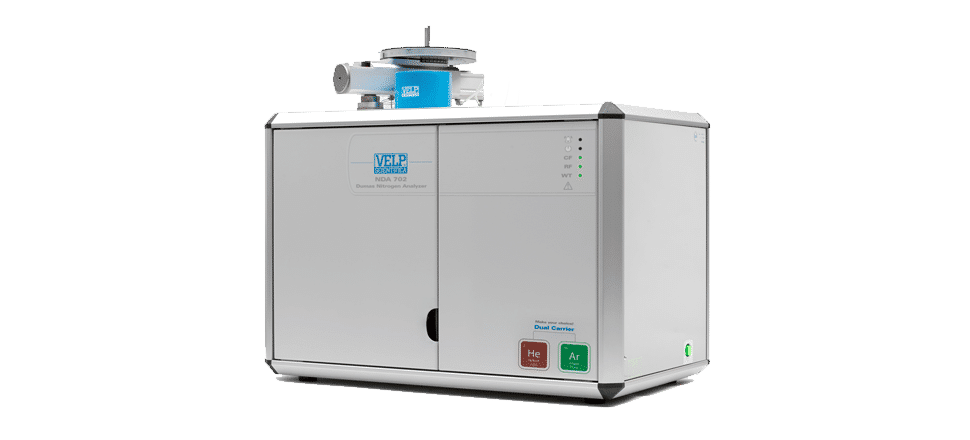
NDA 702 Dumas Nitrogen Analyzer
Versatile and cloud-enabled elemental analyzer for Nitrogen and Protein determination according to the Dumas combustion method. Dual carrier gas: Helium and Argon. -
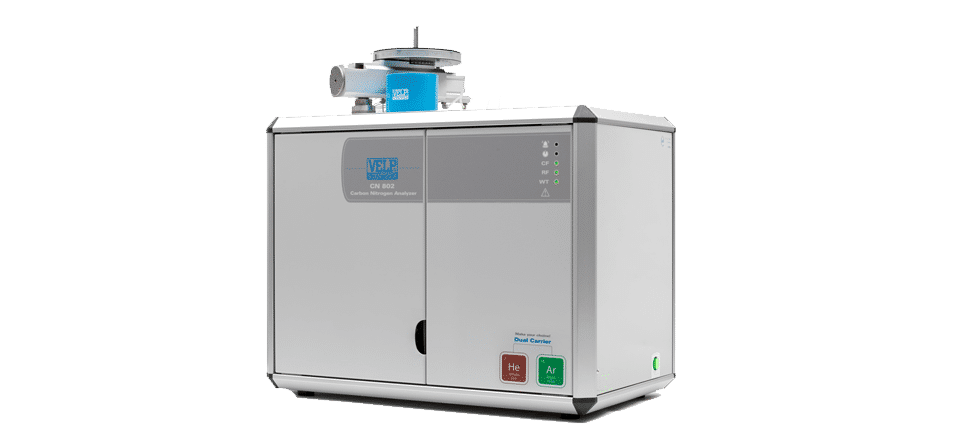
CN 802 Carbon Nitrogen Elemental Analyzer
Fast, versatile, cloud-enabled elemental analyzer for Carbon and Nitrogen determination on organic matrices with Helium and Argon as carrier gas. -
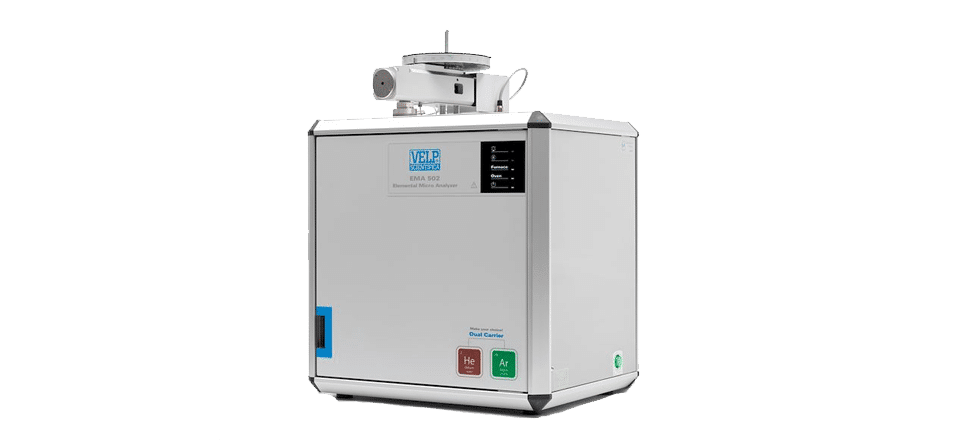
EMA 502 Elemental Analyzer CHNS-O
Precise, versatile, cloud-enabled micro elemental analyzer for Carbon, Hydrogen, Nitrogen, Sulfur and Oxygen determination with Helium and Argon as carrier gas.
-
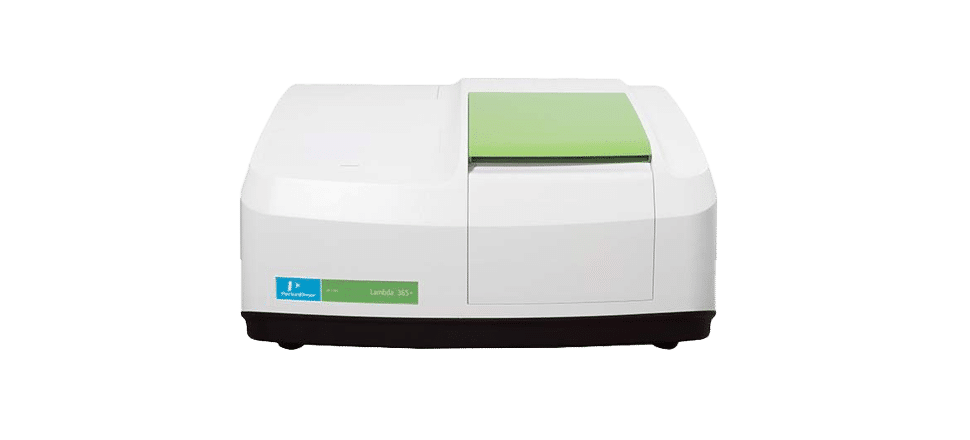
LAMBDA 365+ UV/Vis Spectrometer
The LAMBDA 365+ delivers state-of-the-art UV Vis performance that meets the needs of pharmaceuticals, analytic chemists, geneticists, and manufacturing QA/QC analysts everywhere. With 21 CFR part 11 compliant software available, the LAMBDA system is ready to support everything from standard methods and applications to those requiring regulatory compliance. -
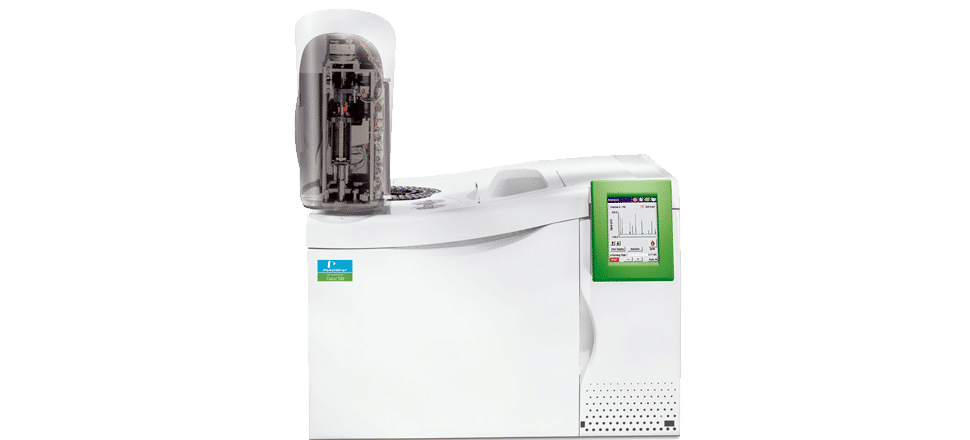
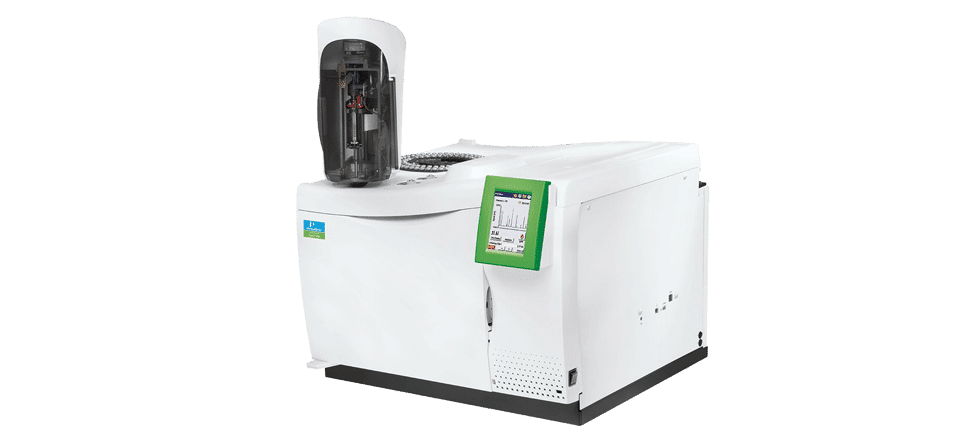
Clarus 580 GC
The Clarus® 580 GC offers many of the same innovative features found in the Clarus 680 GC including an full-color touch-screen interface that features real-time signal display and eight-language support (English, Spanish, French, Italian, German, Russian, Japanese, and Chinese).
-
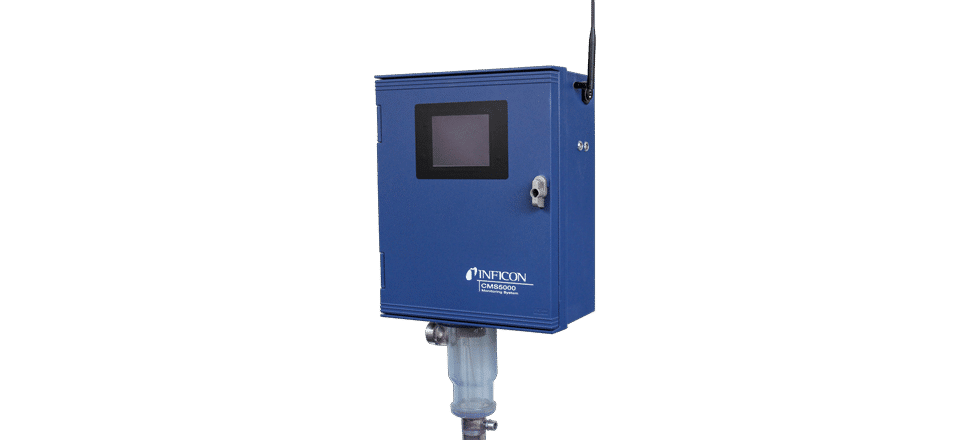
The CMS5000 Monitoring System
The CMS5000 Monitoring System is a self- contained system utilizing GC (Gas Chromatograph) technology for continuous, unattended remote monitoring of air.
-
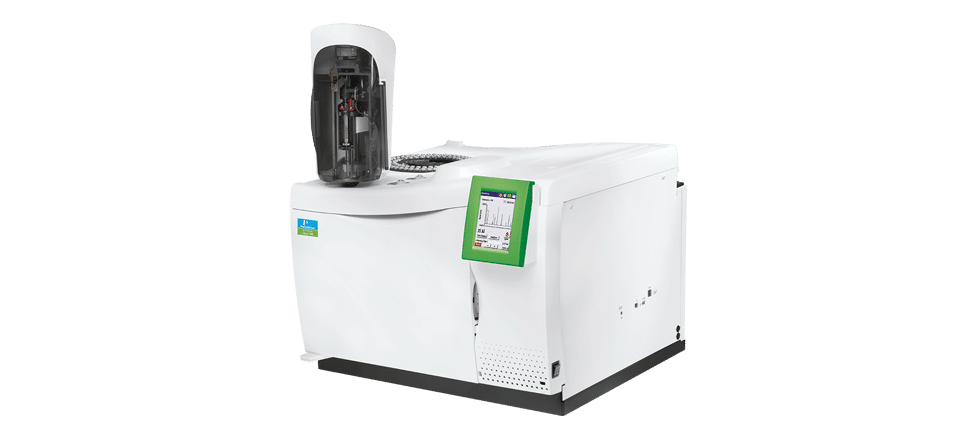
Clarus 680 GC
The Clarus® 680 GC is designed for fast-paced, high-volume laboratories that need fast analytical cycle times.
-
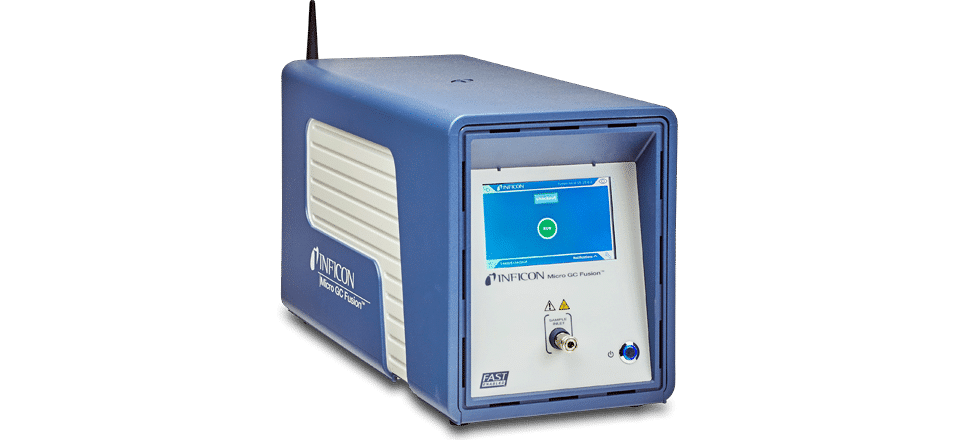
Micro GC Fusion Gas Analyzer
Micro GC Fusion offers advanced features in a compact, lightweight chassis that is easily transportable, allowing for accurate and rapid analysis where and when it is needed.
-
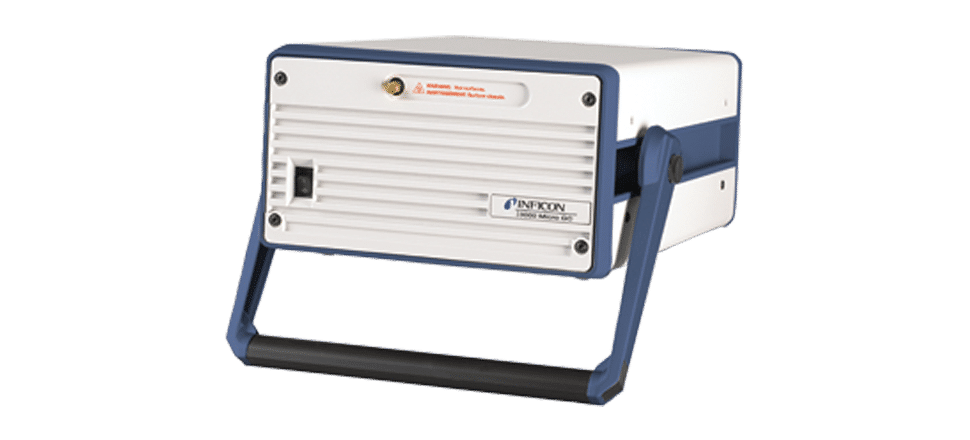
3000 Micro GC
The 3000 Micro GC Gas Analyzer is a powerful GC solution that provides fast, accurate, reliable analysis of your gas sample on-line, right at the sampling point.
-
Clarus 590/690 GC
When the highest levels of throughput are critical to your operations, choose the Clarus 690 gas chromatograph. Designed for fast-paced, high-volume laboratories in Food, Environmental, Petrochemical or Pharmaceutical industries that need to increase analytical cycle times, it provides superior sensitivity, capacity, and throughput – with the flexibility to handle more. Our industry-leading portfolio of TurboMatrix™ options includes headspace (HS), manual and automated thermal desorption (TD, ATD) and MultiPrep Autosampler solutions.
Elementary contaminants are chemical compounds present naturally in the environment but can become problematic when they reach elevated concentrations due to human activities, industrial pollution, or agricultural practices. Metals such as arsenic, cadmium, lead, and mercury are commonly found in food at different concentrations and represent significant concerns for food safety and public health.
Heavy metals represent the most critical category of elementary contaminants due to their toxicity, persistence in the environment, and bioaccumulation potential in living organisms. Cadmium is a toxic heavy metal that can contaminate soils through industrial activities, fertilizer application, and waste disposal, posing risks to crop production and food safety.
Mercury is another highly toxic elementary contaminant that exists in various forms including elemental mercury, inorganic mercury, and methylmercury, with the latter being particularly dangerous due to its high bioaccumulation in fish and neurotoxic effects on humans. Mercury can be converted from elemental to inorganic forms through photochemical or bacterial reactions in the environment.