





Chemical properties analysis
Chemical properties analysis is the process of determining the composition, structure, and chemical reactions of a substance to guide research and development, quality control, and material characterization. Chemical properties are related to the reactivity of a substance with other chemicals and can only be measured through chemical reactions that change the nature of the substance. This includes properties such as pH, chemical stability, oxidation-reduction potential, and the potential for chemical reactions such as hydrolysis, polymerization, or degradation.
* By filling out the form, I accept the use of my personal data for professional purposes. Learn more about our Privacy policy
Documentation & Publications
-

SENSIT SMART
The SENSIT SMART from Palmsens is engineered for both convenience and performance. Its compact design makes it highly portable, ideal for fieldwork and lab use alike. With high sensitivity and a user-friendly interface, it simplifies complex measurements. The Bluetooth connectivity enhances its usability, allowing seamless data transfer and connectivity with various electrodes and sensors. -
Sensit BT
The Sensit BT is an advanced electrochemical sensor from PalmSens, combining the latest Bluetooth technology with high-performance measurement capabilities. Compact and portable, this device is engineered for seamless integration into various analytical and research scenarios. Its wireless connectivity facilitates easy data transfer and real-time analysis, making it an excellent choice for both field and lab environments. -

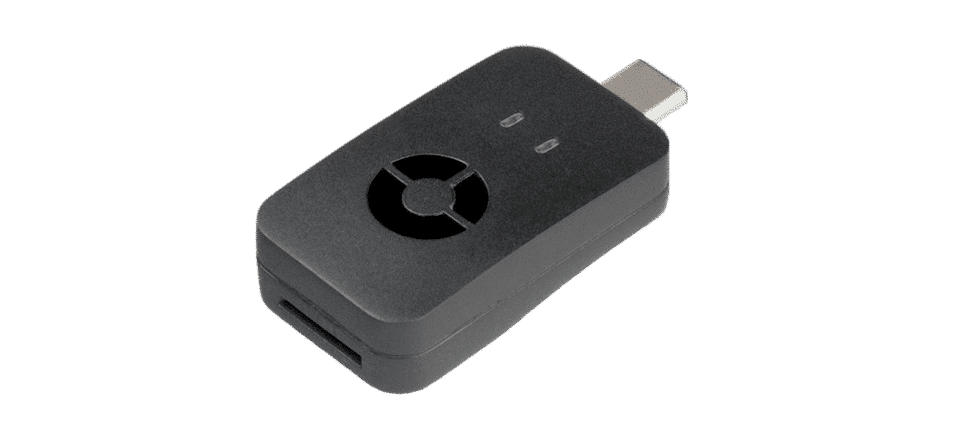
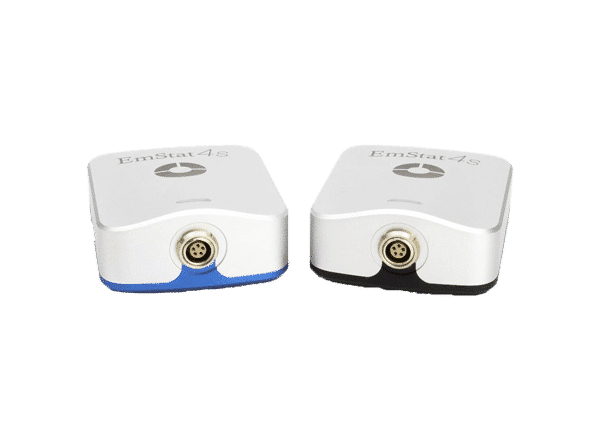
EMStat 4S
The EMStat 4S is a state-of-the-art portable potentiostat that combines high-performance electrochemical measurement capabilities with a compact and user-friendly design. This versatile device is well-suited for a range of applications from detailed laboratory experiments to field measurements. Its ease of use and advanced functionality make it a powerful tool for researchers and professionals in various fields.

-
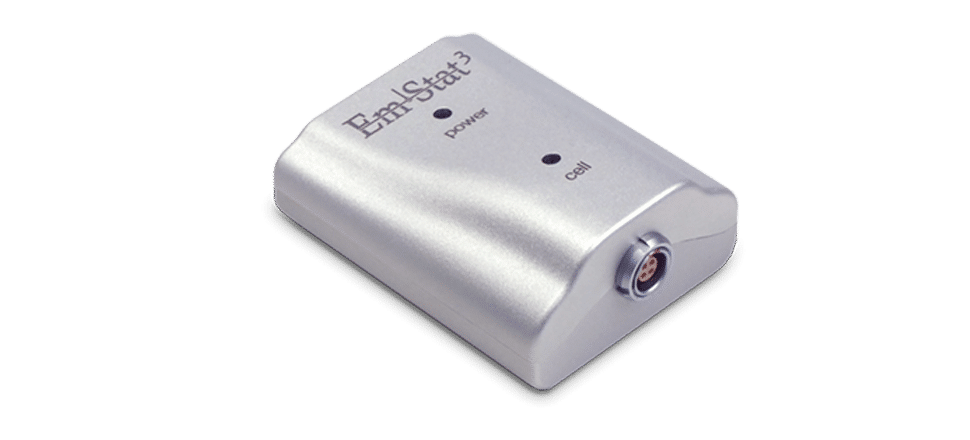
EmStat3 Portable DC Potentiostat
The EmStat3 by PalmSens is a versatile and portable DC potentiostat designed to provide accurate and reliable electrochemical measurements. Whether you're in the lab or in the field, the EmStat3 offers exceptional performance and ease of use, making it an ideal tool for a wide range of electrochemical applications. -
Purge and Trap
Purge and Trap accessories provide flexibility. It is the method of choice for concentrating trace amounts of contaminated water before analysis.
-
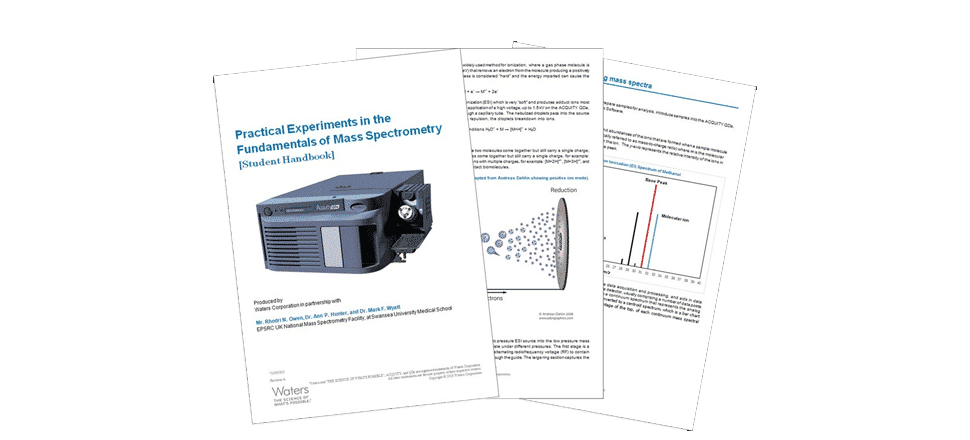
Practical educational MS kit
Sessions that are both theoretical and practical, enabling students to generate and interpret data themselves! -
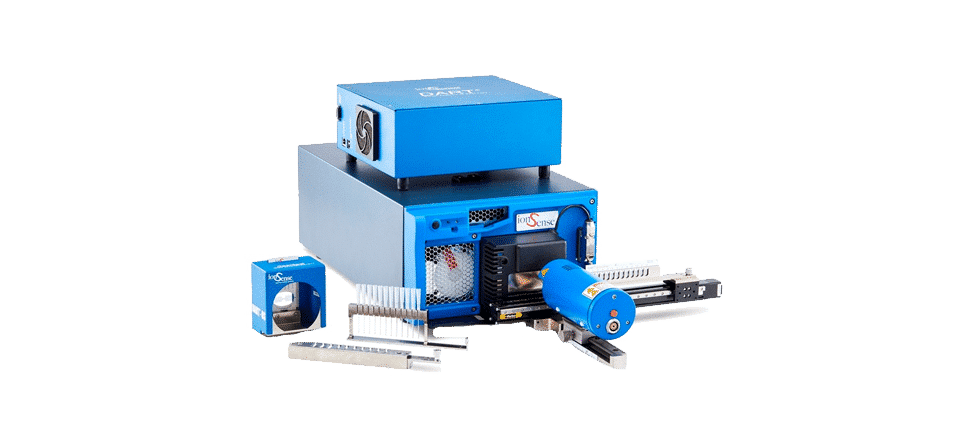
DART QDa system with LiveID software
Quickly and in real-time, identify your samples without preparation for various applications!
-
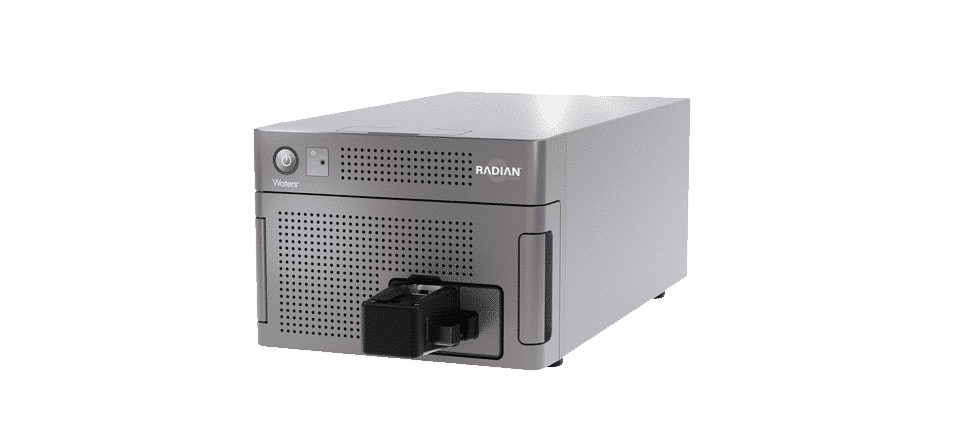
The RADIAN ASAP mass detector
An innovation for your liquid and solid samples, offering cost-effective analyses with rapid results! -
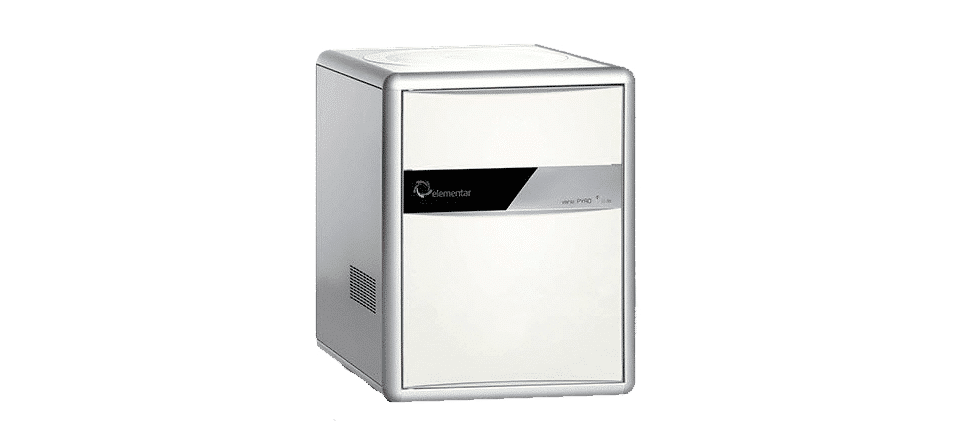
Vario Pyrocube mass spectrometer
OH and CNS isotope ratio analysis all in one universal Elementar instrument ! -
LAMBDA 1050+ UV/Vis/NIR Spectrophotometer
The high performance LAMBDA 1050+ offers unmatched flexibility by providing you the choice to configure systems to suit your needs. From selection of detectors to accessories that provide the most convenient and flexible approach to sampling than any other UV/Vis/NIR system available. -
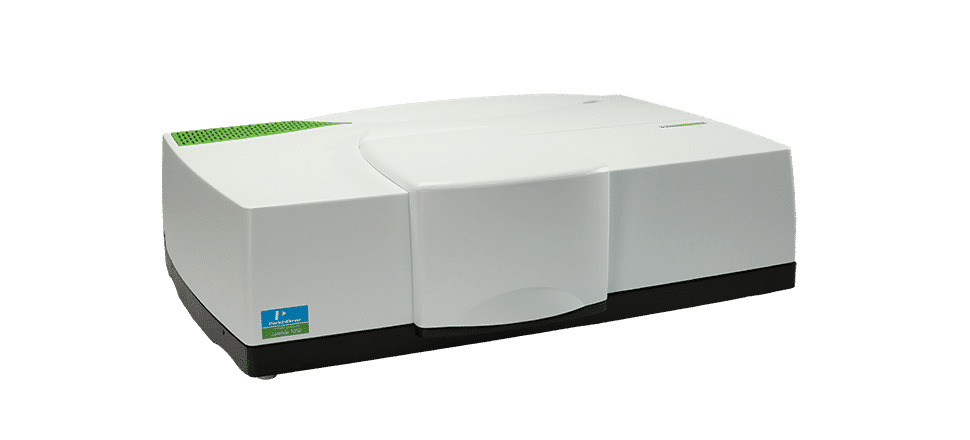
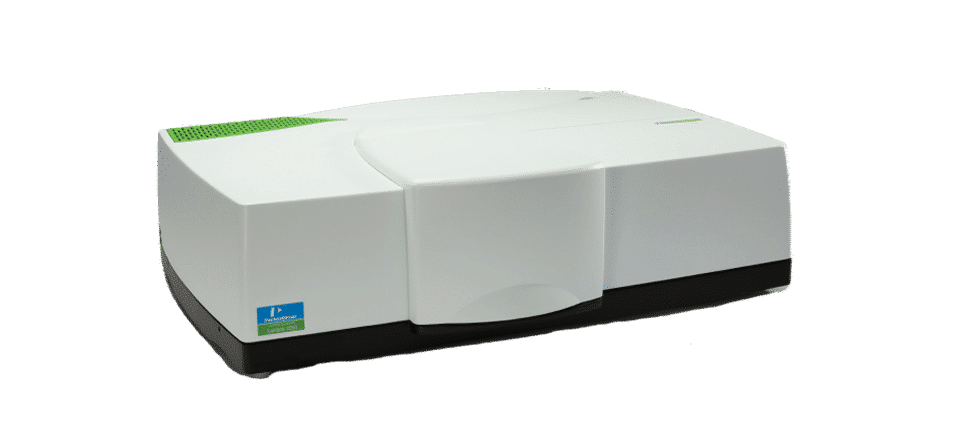
LAMBDA 850+ UV/Vis Spectrophotometer
It is designed for analysis of coatings, high performance glass, and components in both research and manufacturing. The instrument meets industry standards for ultra-high performance, flexibility, and convenience.
-
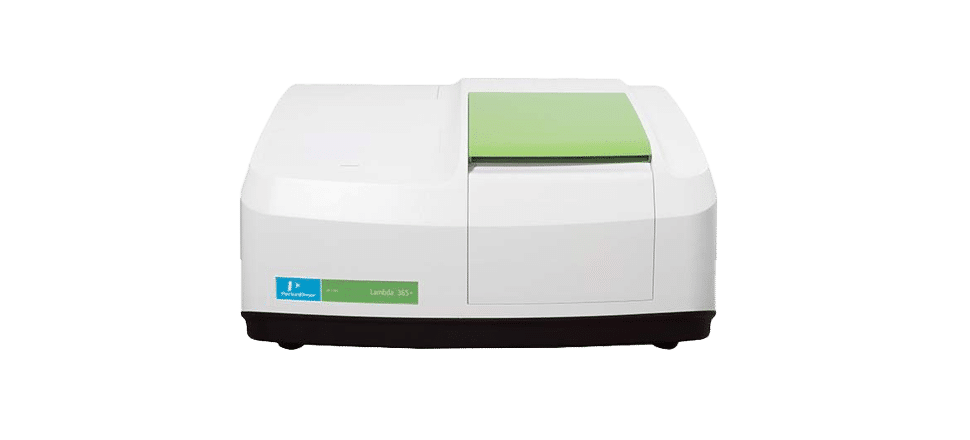
LAMBDA 365+ UV/Vis Spectrometer
The LAMBDA 365+ delivers state-of-the-art UV Vis performance that meets the needs of pharmaceuticals, analytic chemists, geneticists, and manufacturing QA/QC analysts everywhere. With 21 CFR part 11 compliant software available, the LAMBDA system is ready to support everything from standard methods and applications to those requiring regulatory compliance. -
LAMBDA 465 UV/Vis Spectrophotometer
Designed specifically for high-end research as well as routine and high-throughput applications, the LAMBDA™ 465 UV/Vis is the innovative PDA solution that provides maximum reliability – for maximum confidence in your results. -
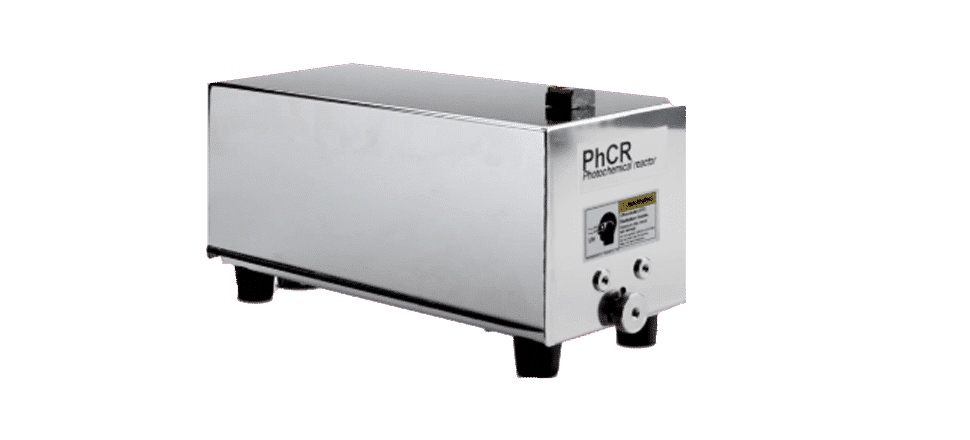
Post-column photo-reactor “PhCR”
A system which makes it possible to get rid of the historical systems of electrochemical types which use an electrochemical cell and the use of halogenated reagents -
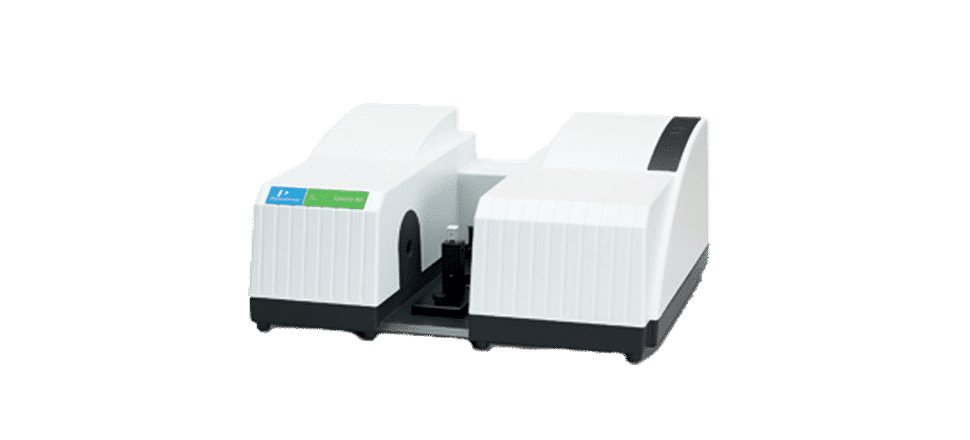
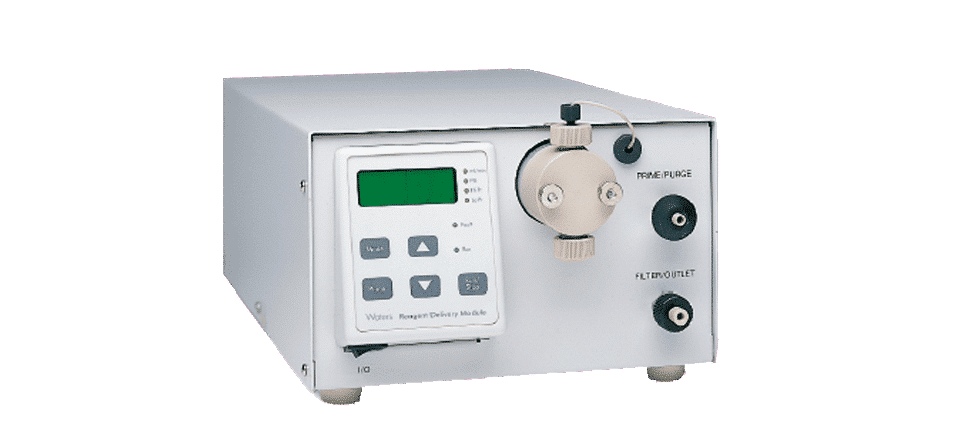
Reagent Manager
Ideal for multiple post-column applications (single or two stage(s))
-
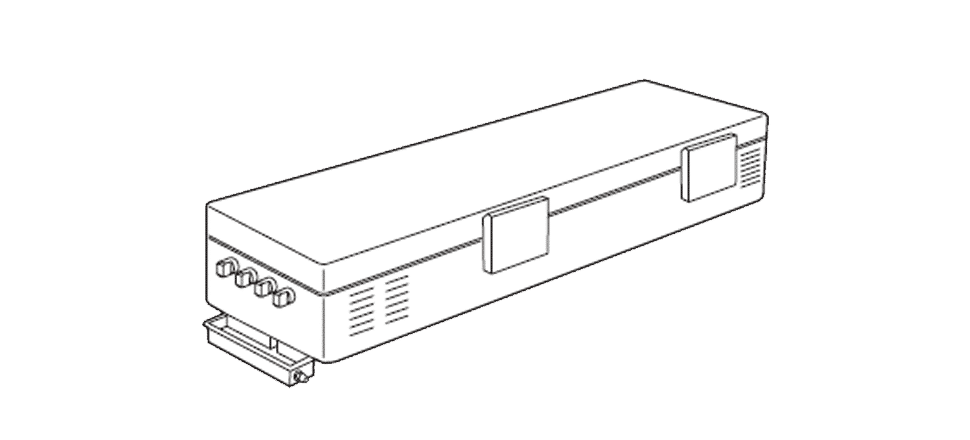
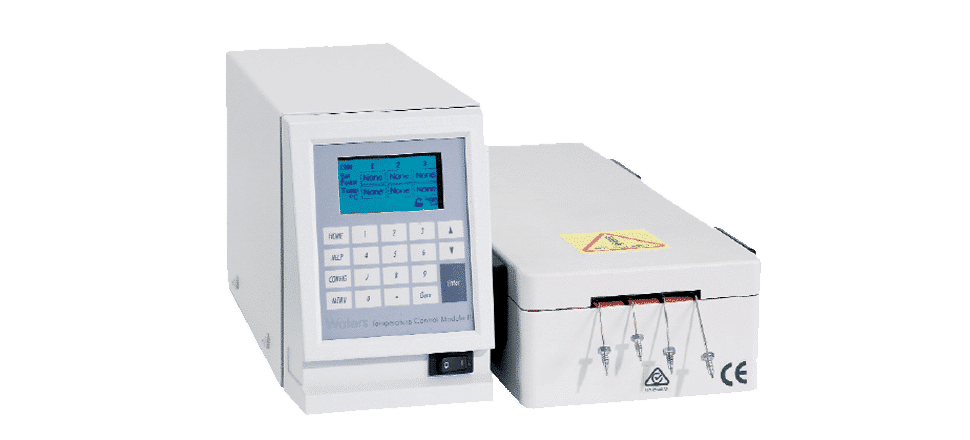
Post-Column reaction module
The temperature can be adjusted from room temperature to 120 ° C and has a security system ! -
High temperature furnace
The programmable temperature control system keeps the liquid chromatography columns at constant temperatures - from a few degrees above ambient to 150 ° C! -
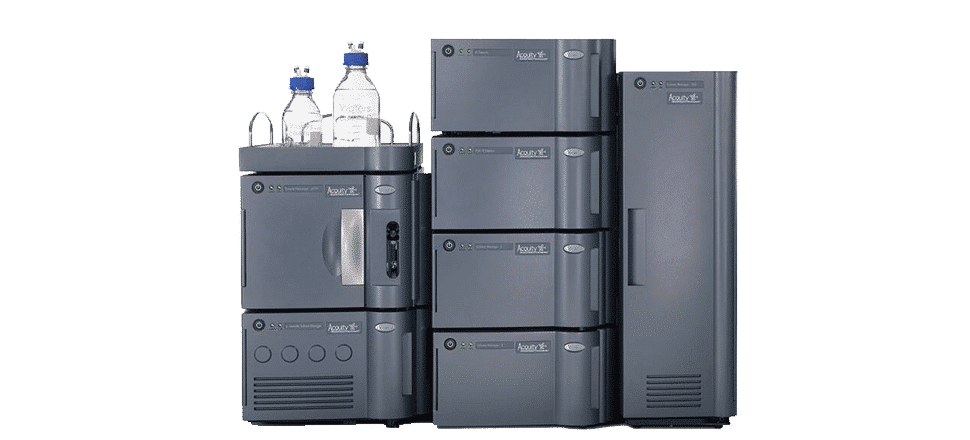
Acquity APC Chromatograph
Today’s polymer scientists operate within an increasingly dynamic market space where a growing demand for high-performing materials, bio-material innovations, and intense competition create a heightened sense of urgency. -
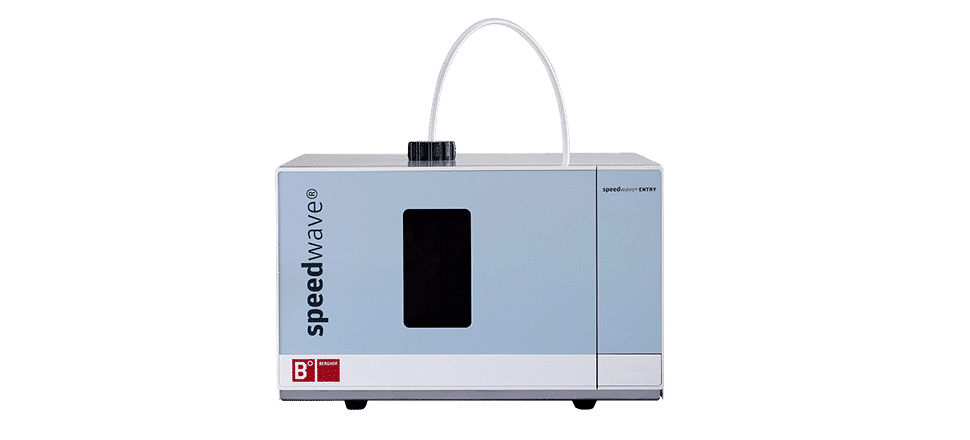
Microwave Digester Speedwave ENTRY
Thanks to its size, speedwave Entry is particularly well suited to flexible laboratory use. The combination of space-saving design and ease of use makes it particularly attractive for use in routine analysis, training or study.
-
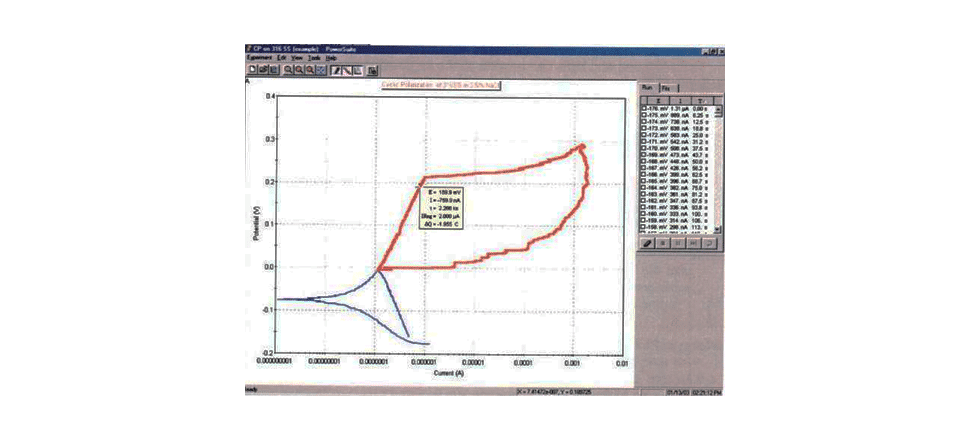
PowerSuite Software
Package of 5 softwares for the control of Princeton Applied Research instruments and analysis of electrochemical results (corrosion, voltammetry, impedance, EIS).
-

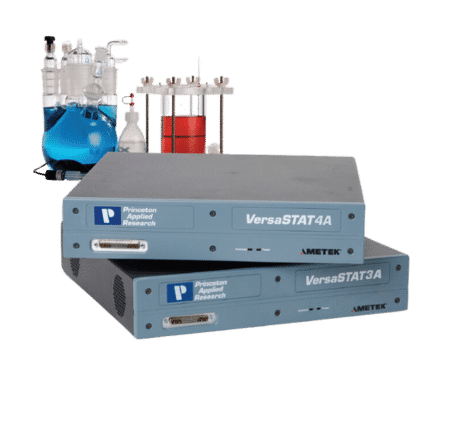
Versastat Family
The Versastat potentiostats-Galanostats are an efficient, economical and scalable solution required for all electrochemical laboratories.
-
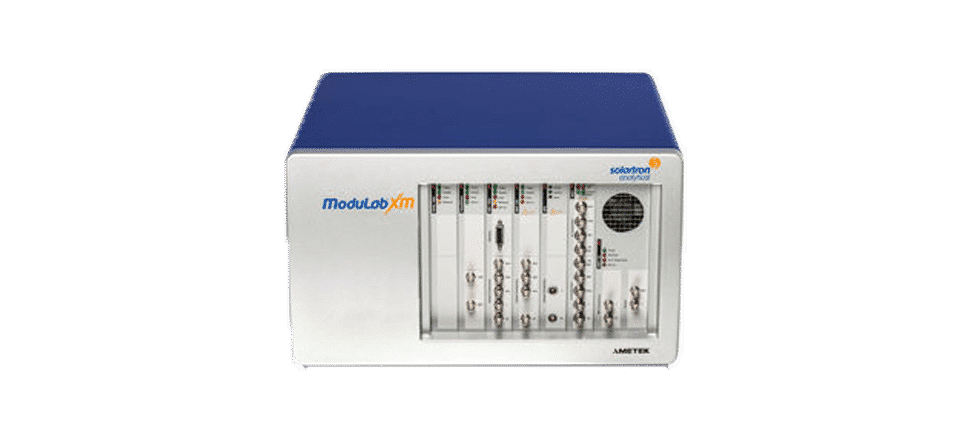
MODULAB ECS
The Modulab ECS is a high performance modular electrochemical station. It can hold up to eight modules, including FRA, Current / Voltage Booster, Pstat, Femto Ammeter.
-
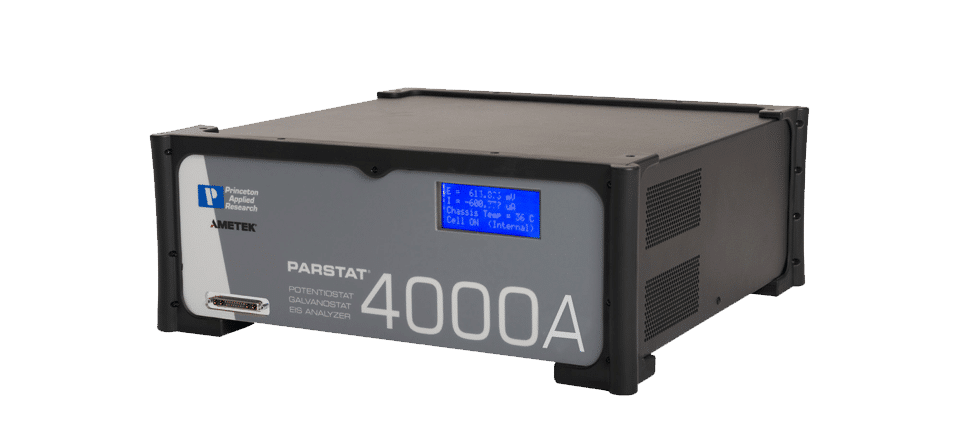
PARSTAT 4000+: Potentiostat/ Galvanostat/ FRA
The PARSTAT 4000+ is a potentiostat, galvanostat, FRA with a voltage compliance of +/- 48V, current of +/- 4A and a frequency range 10μHz - 10MHz.
-
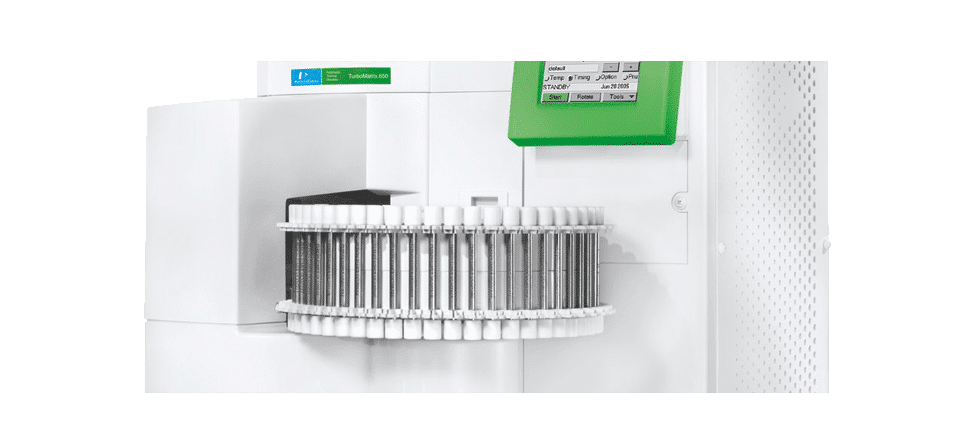
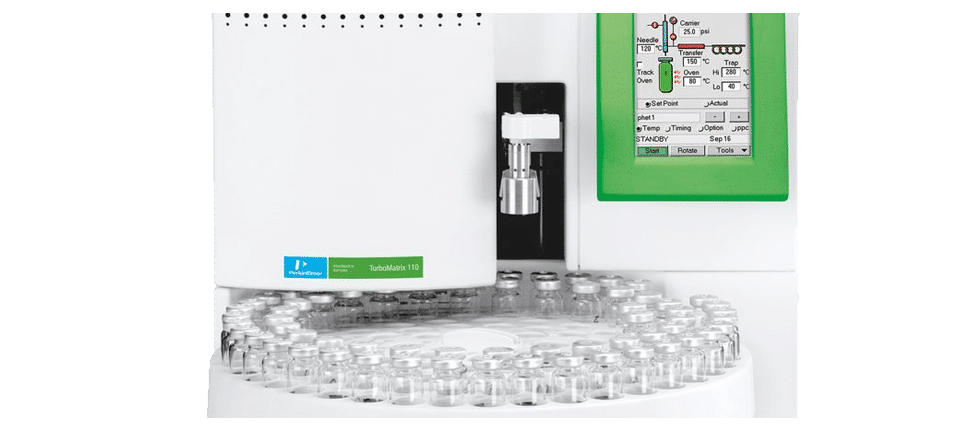
TurboMatrix HS Headspace Samplers
Take advantage of the latest GC technologies with the TurboMatrix Headspace Sampler range.
-
TurboMatrix HS Headspace Sampler with Integrated Trap
The TurboMatrix headspace sampler incorporates balanced pressure sampling for better performance.
-
TurboMatrix Thermal Desorbers
The TurboMatrix range of thermal desorbers offers you techniques to simplify and accelerate a wide range of GC applications.
-
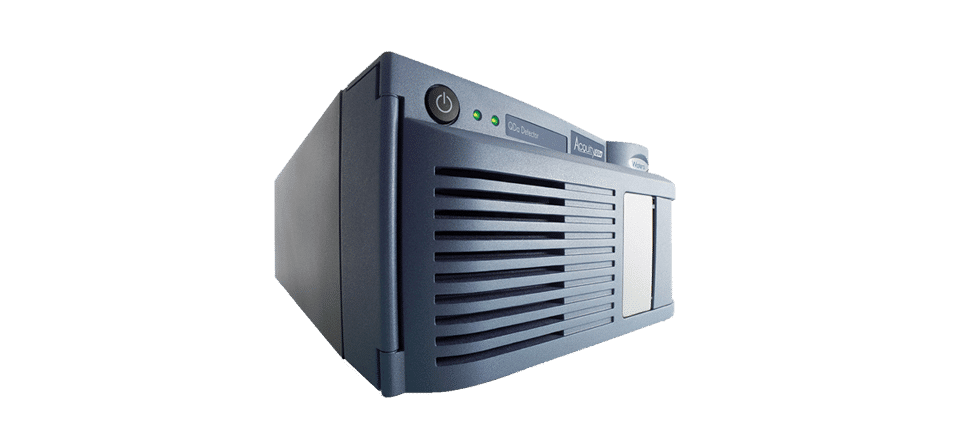
ACQUITY QDa Detector
The ACQUITY QDa detector is used just as easily as an optical detector, with the robustness required to process all your analyzes.
-
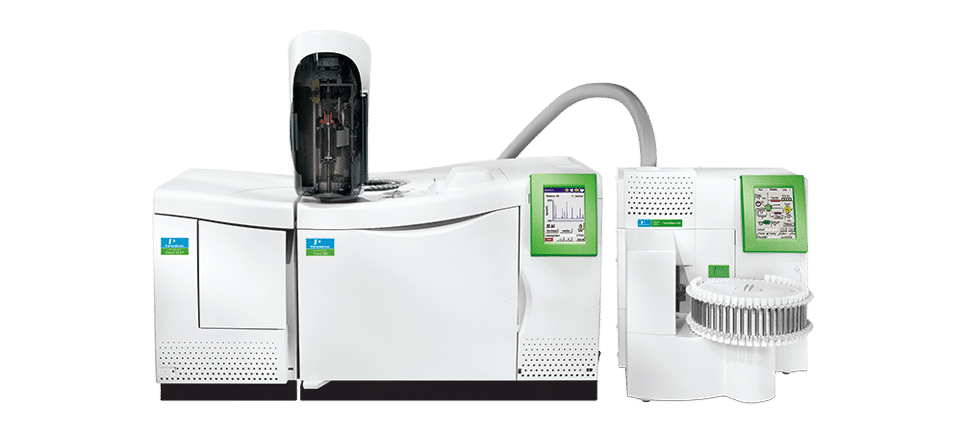
Clarus Sq8 S GC-MS Spectrometer
PerkinElmer's Clarus Sq8 S GC-MS offers you the capability to perform ultra-reliable analysis with its high sensitivity and dynamic analysis range.
-
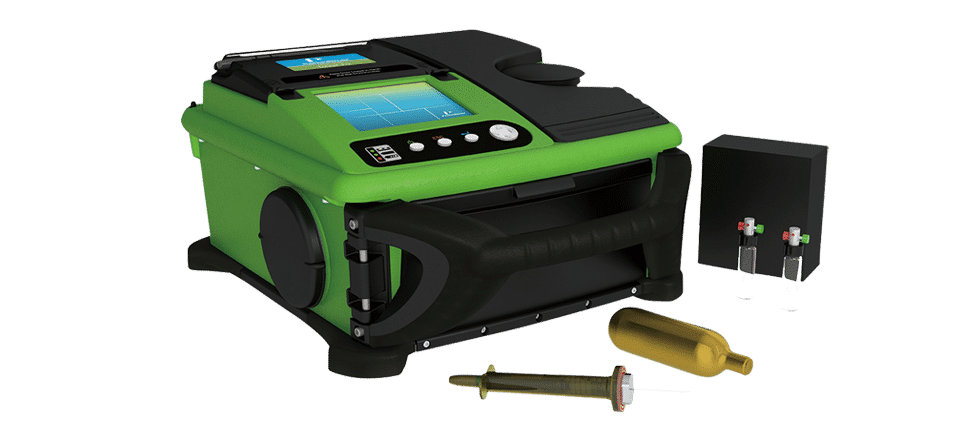
Torion T-9 GC-MS
Combining lightness, speed and robustness, the T-9 Torion allows you quickly analyze of various ground substances, volatile or semi-volatile chemical threats, explosives or dangerous substances.
-
Clarus Sq8 T GC-MS Spectrometer
PerkinElmer's Clarus Sq8 T GC-MS offers you the capability to perform ultra-reliable analysis with its high sensitivity and dynamic analysis range.
-
Clarus Sq8 C GC-MS Spectrometer
PerkinElmer's Clarus Sq8 C GC-MS offers you the capability to perform ultra-reliable analysis with its high sensitivity and dynamic analysis range.
-
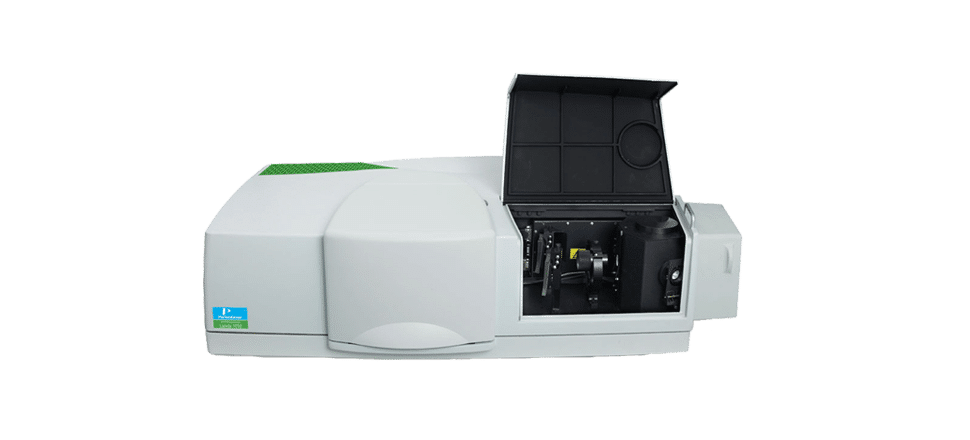
UV-visible Spectrometer Lambda 750/950/1050
UV-Vis spectrometer and Near Infra-red dual beam, double monochromator and a linear range up to 7 A.
-
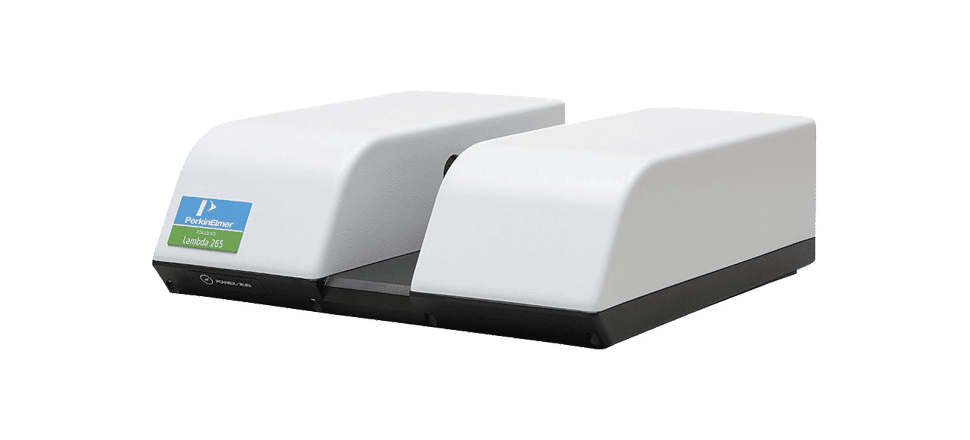
LAMBDA 265 UV/Vis Spectrophotometer
The NEW LAMBDA 265 delivers a new level of confidence.
Understanding chemical properties is fundamental for determining how a substance will interact, how stable it will be, and how functional it will perform in various applications across materials science, pharmaceuticals, chemistry, and numerous other fields. The evaluation of chemical properties requires a combination of theoretical knowledge and analytical techniques to accurately characterize substances and predict their behavior under different conditions.
pH is one of the most fundamental chemical properties measured, indicating the acidity or basicity of a substance on a scale from 0 to 14. A pH less than 7 indicates an acidic substance, a pH greater than 7 indicates a basic substance, and a pH equal to 7 indicates a neutral substance. Chemical properties characteristic tests often use chemical indicators like pH paper or litmus paper to identify substances, where the color change indicates a chemical change and the formation of new substances.
Chemical stability refers to a substance’s ability to maintain its chemical composition and properties over time under specified conditions, which is crucial for determining shelf life, storage requirements, and safety of chemical products. Stability testing includes evaluation for thermal stability, photostability, and chemical degradation under various environmental conditions, ensuring products remain effective and safe throughout their intended use period.
Oxidation-reduction potential (ORP) measures the tendency of a substance to gain electrons (reduction) or lose electrons (oxidation) during chemical reactions, which is essential for understanding corrosion processes, water treatment, battery performance, and biological redox reactions. High ORP values indicate strong oxidizing agents while low ORP values indicate strong reducing agents, providing critical information for process control and safety assessments.