





Motion detection
Motion detection is the process of detecting a change in the position of an object relative to its surroundings or a change in the surroundings relative to an object. Motion detection can be achieved by either mechanical or electronic methods, and when accomplished by natural organisms, it is called motion perception.
* By filling out the form, I accept the use of my personal data for professional purposes. Learn more about our Privacy policy
Documentation & Publications
-

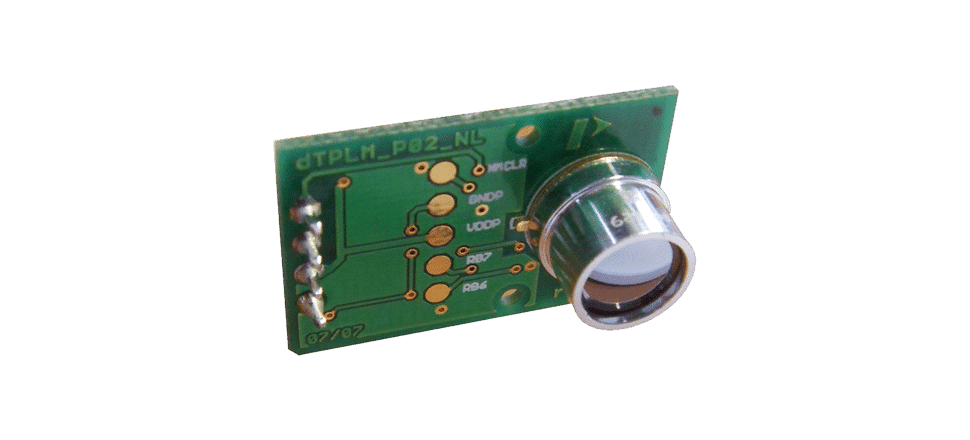
Matrix or Linear Multi-Element Thermopiles
Excelitas Technologies' matrix or linear multi-element thermopiles offer high sensitivity and low background noise, ideal for precise and reliable thermal measurements. Their compact format allows for flexible integration into a range of applications requiring advanced thermal detection. -

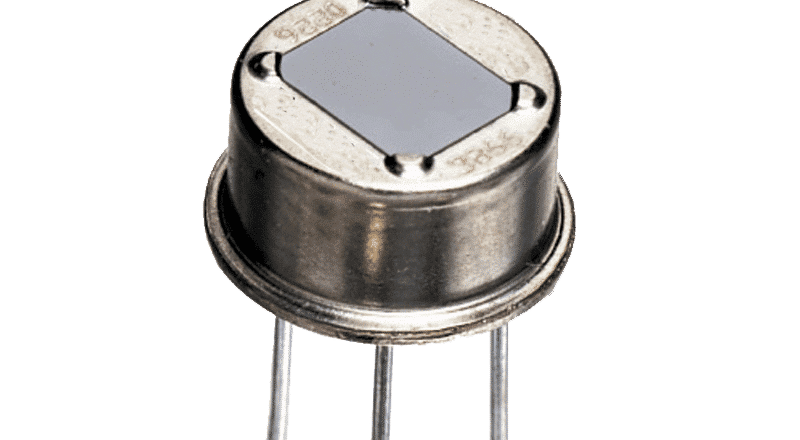
Pyroelectric Motion/Presence Detectors
Excelitas Technologies' pyroelectric motion/presence detectors offer high sensitivity and low power consumption, ideal for security and smart home applications.Additionally, their wide detection field and extended operating temperature range ensure optimal performance in various environmental conditions.
In the context of security and surveillance systems, motion detection is a critical technology that enables automated monitoring, intrusion detection, and real-time alerting for the protection of buildings, facilities, and personnel.
Passive Infrared (PIR) sensors are the most commonly used technology in motion detection systems for security applications. Unlike active detectors, PIR sensors do not emit signals but analyze body heat emitted by living beings (humans, animals).
A typical PIR sensor consists of several essential elements: a Fresnel lens that focuses infrared rays toward the sensor, two infrared sensors that compare radiation levels to detect motion, an electronic circuit that processes the signal and triggers an action, and a signal output connected to an alarm system, lighting, or automation system.
Every object emits infrared rays. If these rays are blocked by an individual, or even by something else, the PIR device immediately detects a change. The received data is no longer the same, the analyzed environment has been modified, and the sensor enters alert mode.