





Detection of metal particles
Detection of metal particles is a critical quality control and safety process that identifies metallic contaminants in products, materials, and manufacturing processes to ensure product safety, equipment protection, and brand reputation. The detection of metals in products must be extremely careful since brand reputation and image are at stake, and effective contamination control requires certified systems adapted to specific production needs.
* By filling out the form, I accept the use of my personal data for professional purposes. Learn more about our Privacy policy
Documentation & Publications
-

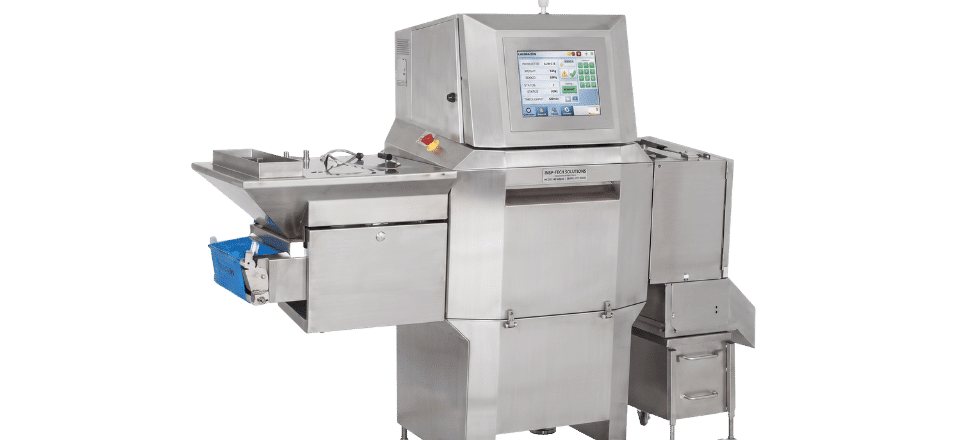
DYMOND BULK X-Ray Scanner
A solution that delivers both high performance and production optimization.
-
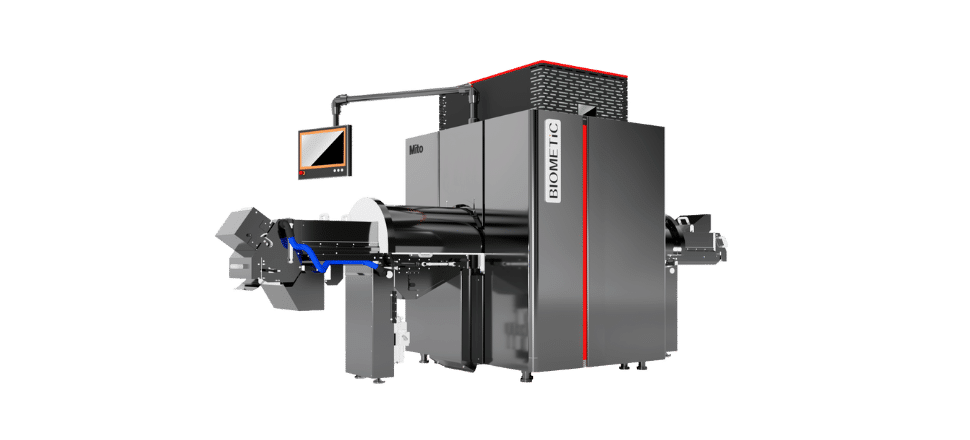
Xr scanner - Tomograph Mito
3D X-ray inspection system for food safety and quality -
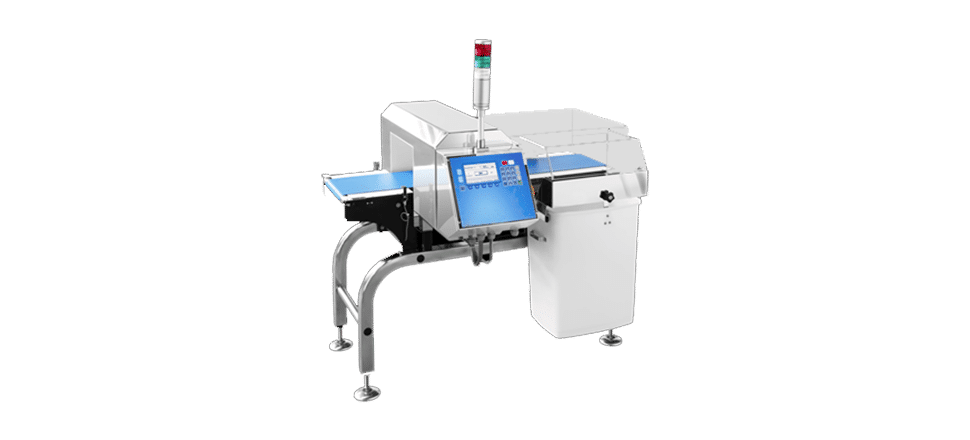
MFN 11 Metal Particle Detector
The MFN 11 Metal Particle Detector by PRISMA offers a high-sensitivity solution for detecting metal contaminants, ensuring the safety and quality of your production line.
-

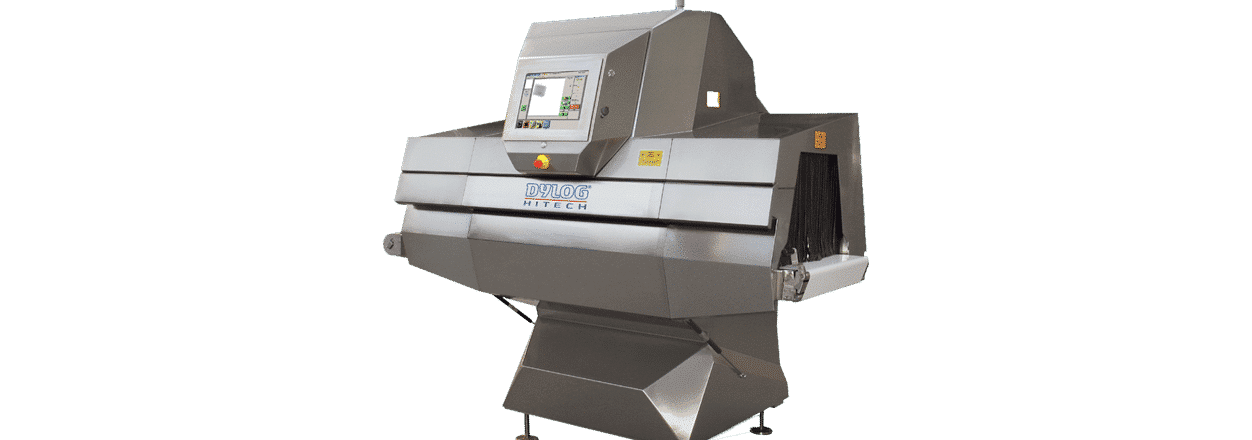
SCANNER RX-DYLIGHT 40
The RX-DYLIGHT 40 Scanner from DYLOG provides an advanced solution for product inspection, ensuring precise and efficient detection of contaminants to guarantee the quality and safety of your production. -

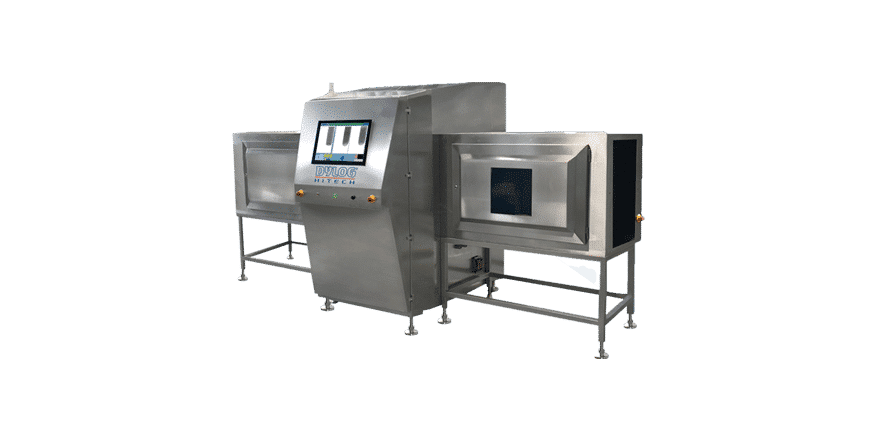
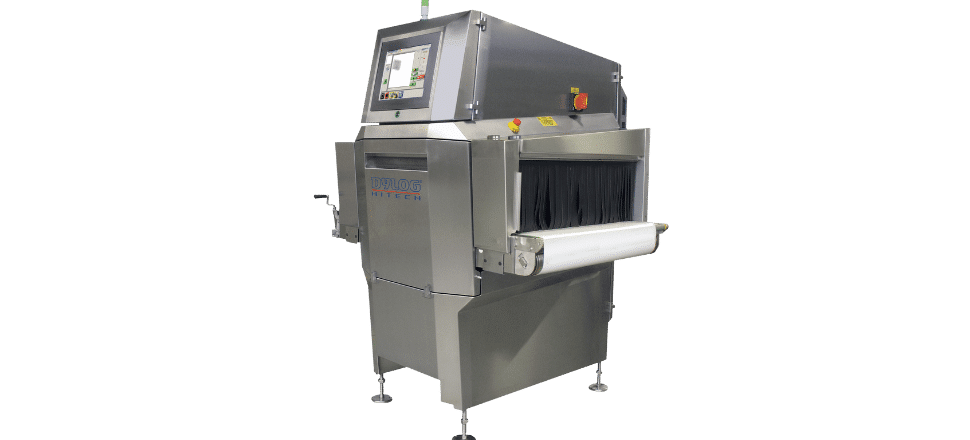
X-Rays Scanner DYNAMITE 120-160
An innovative and high-performance solution -

-

-
-
X-RAYS Scanner DYMOND 80
It offers both reliability and ergonomics, and sets new standards in X-Rays detection. A solution that brings you both performance and production optimization.
-

X-RAYS Scanner - DYMOND 40
A solution that brings you both performance and production optimization.
-

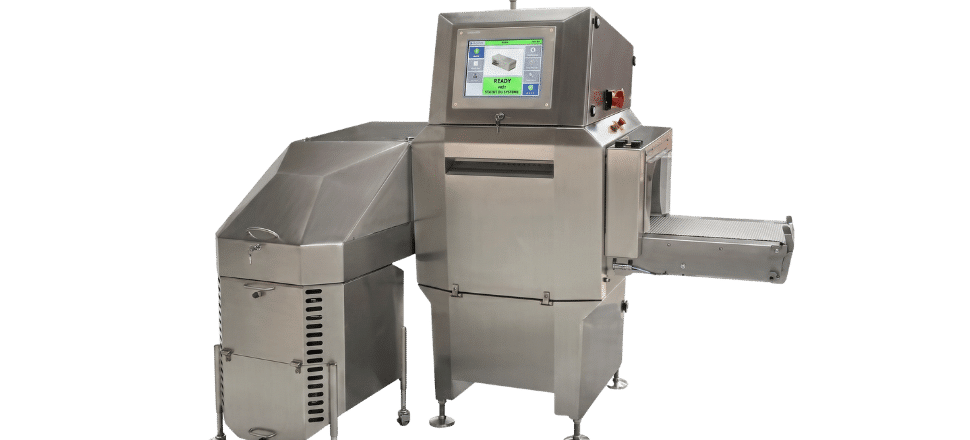
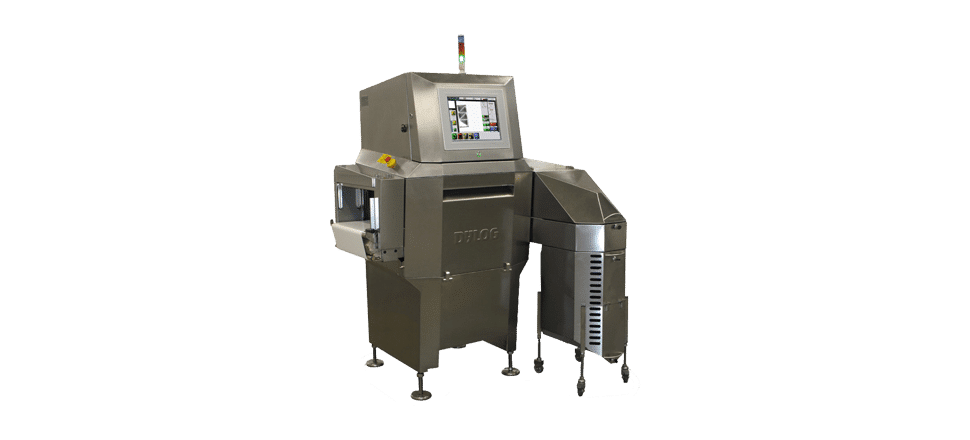
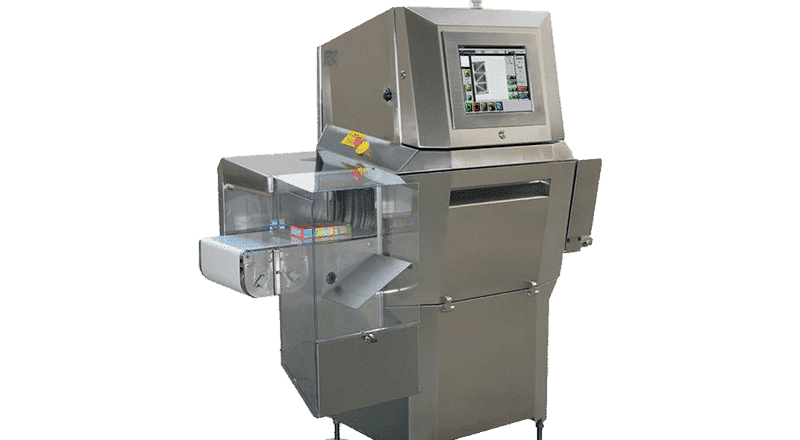
X-RAYS Scanner- DYMOND D
It offers both reliability and ergonomics, and sets new standards in X-rays detection. A solution that brings you both performance and production optimization.
-

X- Rays Scanner - DYLIGHT S
Discover the latest DYLOG innovation the DYLIGHT S which combines engineering and performance.
-
X-RAYS SCANNER - DYlight 80
The new DYMOND range combines the latest design and engineering technologies with the new powerful and intuitive Dylog software.
-
X- RAYS SCANNER - DYMOND S
Like all new machines in the Dymond series, the inspection unit of the new Dymond S combines high detection performance with low power equipment.
-
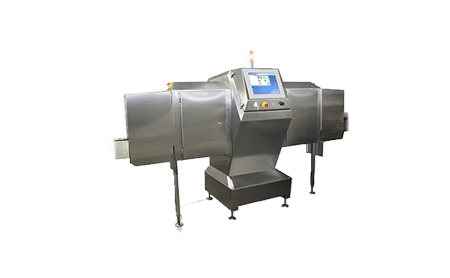
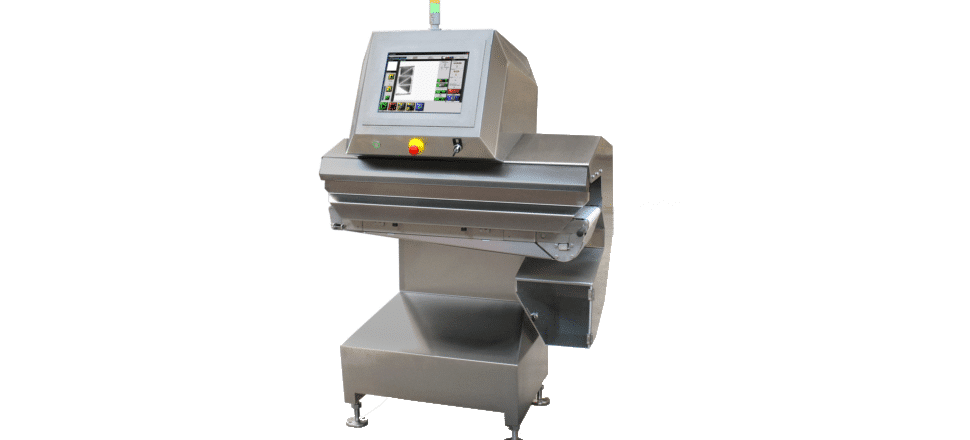
X-RAYS Scanner - Dynamite X-FAN
The new range combines the latest design and engineering technologies with new powerful and intuitive Dylog software.
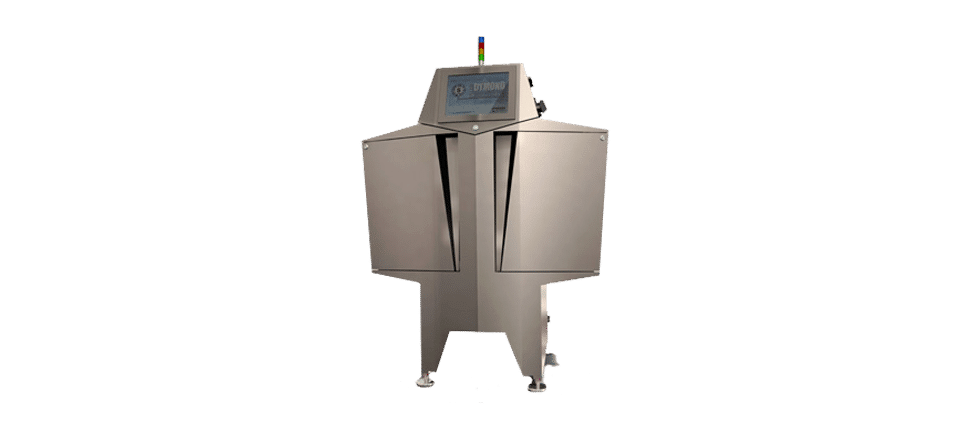
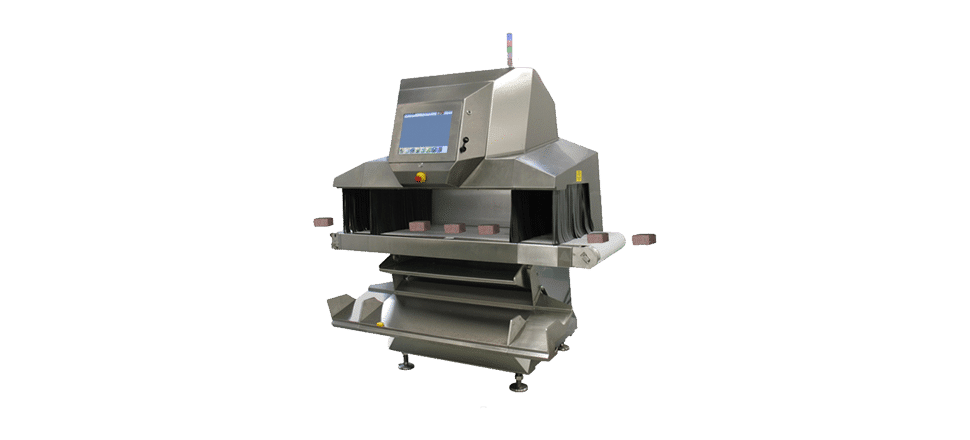
Metal particle detection is essential across numerous industries including food processing, pharmaceuticals, chemical manufacturing, powder industries, semiconductors, and machinery maintenance where even microscopic metal fragments can cause product contamination, equipment damage, or consumer harm. Modern detection systems can identify metal particles as small as 30 microns (0.03 mm) with advanced magnetic sensors capable of detecting fragments smaller than 0.1 mm (100 µm).
Electromagnetic field detection uses an electromagnetic field to detect the presence of metal particles by monitoring field disruptions. When metal particles pass through the electromagnetic field, they disrupt the field, triggering a signal that alerts the operator or activates an ejection system to remove contaminated products from the production line. This method is widely used in metal detectors for continuous product inspection on manufacturing lines.
Magnetic sensor detection employs highly sensitive magnetic sensors such as the Migne xMR sensor developed by TDK, which can detect metal fragments smaller than 0.1 mm by applying technologies from hard disk drive head manufacturing. The system uses a powerful magnet to magnetize the entire object, and metal sensors then detect the magnetism emitted by the metallic debris, with magnetized metallic particles becoming tiny magnets with N and S poles that are detectable by the sensor.
Inductive particle detection systems use inductive sensors for real-time monitoring of metals in airborne particles and lubricants, which cannot be measured using current conventional methods. These systems detect metal wear particles in lubricant oil of rotating machinery through inductive Coulter counting and microfluidic chip-based inductive sensors, enabling predictive maintenance and equipment protection.