



Food control
Food control is the regulation of the food supply industry and enforcement of food laws by national or local authorities to provide consumer protection and ensure that all foods during production, handling, storage, processing, and distribution are safe, wholesome, and fit for human consumption. A food control system ensures that foods conform to safety and quality requirements and are honestly and accurately labelled as required by law, covering all stages of production, processing, and distribution of food from farm to fork.
* By filling out the form, I accept the use of my personal data for professional purposes. Learn more about our Privacy policy
Documentation & Publications
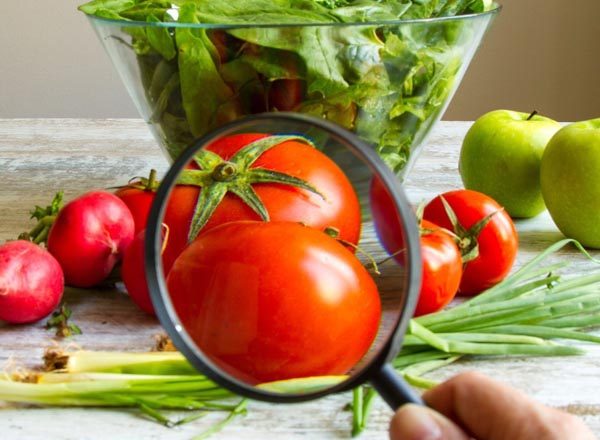
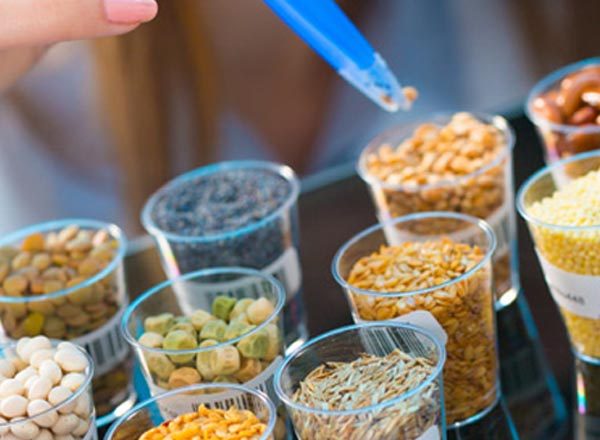
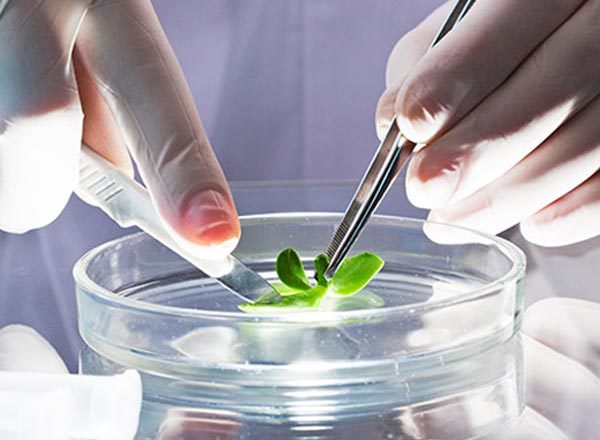
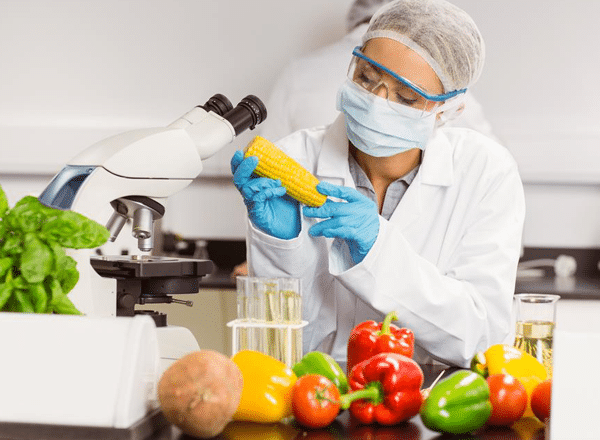

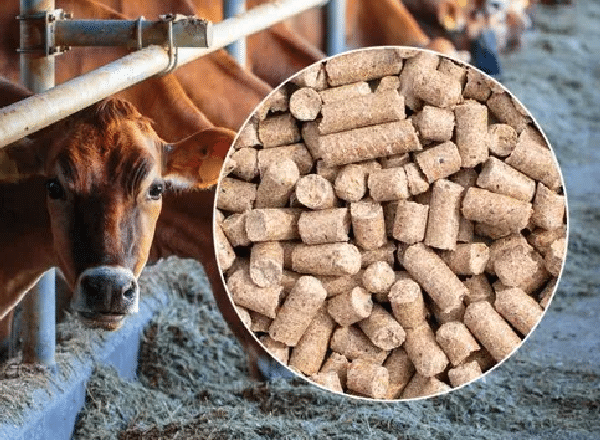
The principal objective of the national food control system is the protection of public health by protecting consumers from unsafe, unwholesome, mislabelled, or adulterated food, while also contributing to economic development by maintaining consumer confidence and providing sound regulatory controls for domestic and international trade in food. Food control is critical to ensure fair practices in the food trade to foster economic opportunities of all stakeholders along the food chain.
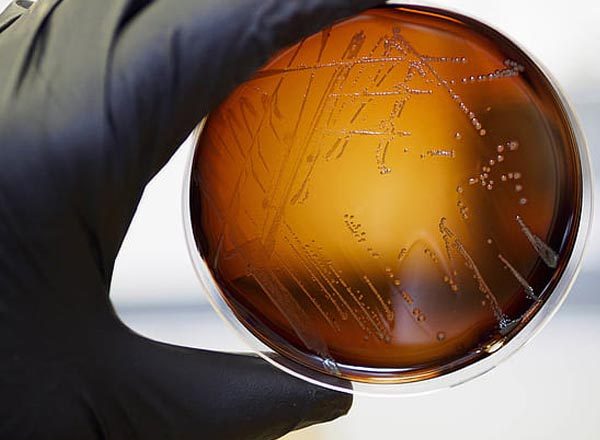
Food safety represents one of the two main components of food control, referring to all those hazards that may make food unhealthy for the consumer including microbial contaminants, chemical residues, physical hazards, and allergens. Food safety control focuses on preventing hazards that can cause foodborne illnesses, allergic reactions, or physical injuries to consumers through effective hazard analysis, risk assessment, and preventive control measures.
Food quality standards encompass all other attributes that influence a product’s value to the consumer such as composition, nutritional content, appearance, texture, taste, and labelling. Quality control ensures that food products meet specified standards, consumer expectations, and regulatory requirements regarding their organoleptic properties and nutritional characteristics.
Food control management is the process of making decisions about and managing national food control systems, which should rest on a foundation of evidence and risk analysis. Risk management as part of the risk-analysis framework provides a continuous and integrated process for planning, organizing, monitoring, coordinating, and communicating a broad range of regulatory decisions and actions to ensure the safety and quality of domestically produced, imported, and exported food.