





Foreign body detection
Foreign body detection is the process of identifying extraneous matter of a physical, chemical, or biological nature that is not part of the planned production process in food, pharmaceutical, and other manufacturing industries. Foreign bodies or contaminants represent any unwanted material that can compromise product safety, quality, and consumer health, making their detection and removal critical for maintaining industry standards such as Good Manufacturing Practice (GMP) in pharmaceuticals and Hazard Analysis Critical Control Point (HACCP) in food production.
* By filling out the form, I accept the use of my personal data for professional purposes. Learn more about our Privacy policy
Documentation & Publications
-

DYMOND BULK X-Ray Scanner
A solution that delivers both high performance and production optimization.
-
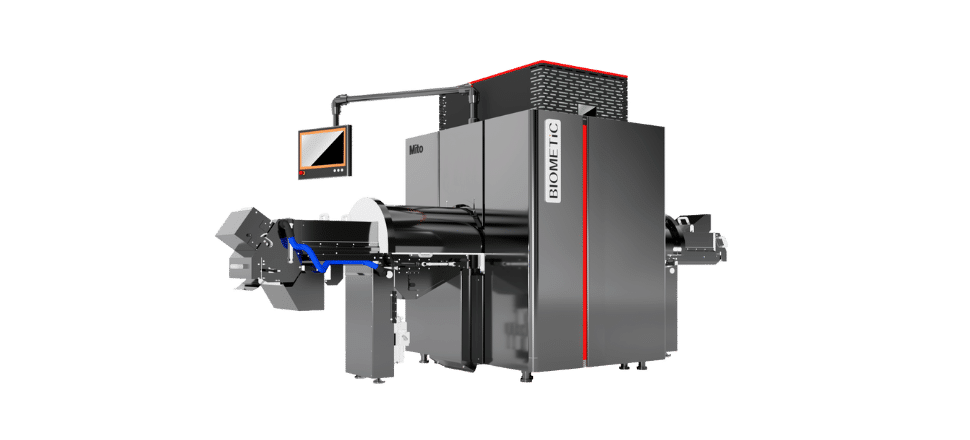
Xr scanner - Tomograph Mito
3D X-ray inspection system for food safety and quality -

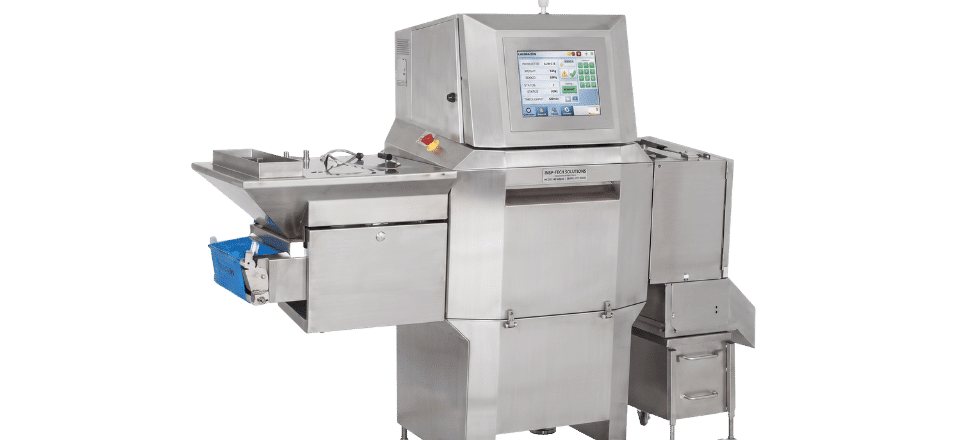
SCANNER RX-DYLIGHT 40
The RX-DYLIGHT 40 Scanner from DYLOG provides an advanced solution for product inspection, ensuring precise and efficient detection of contaminants to guarantee the quality and safety of your production.

-

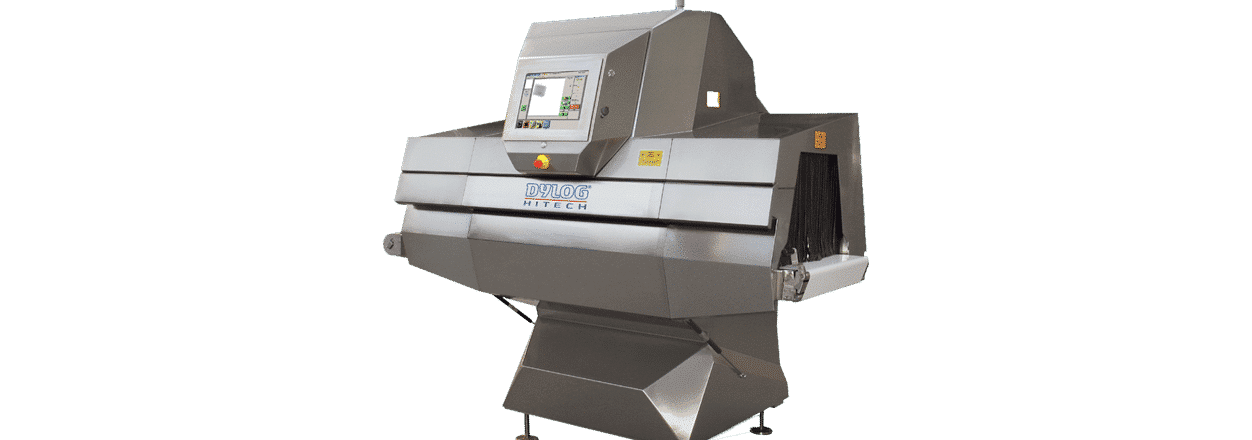
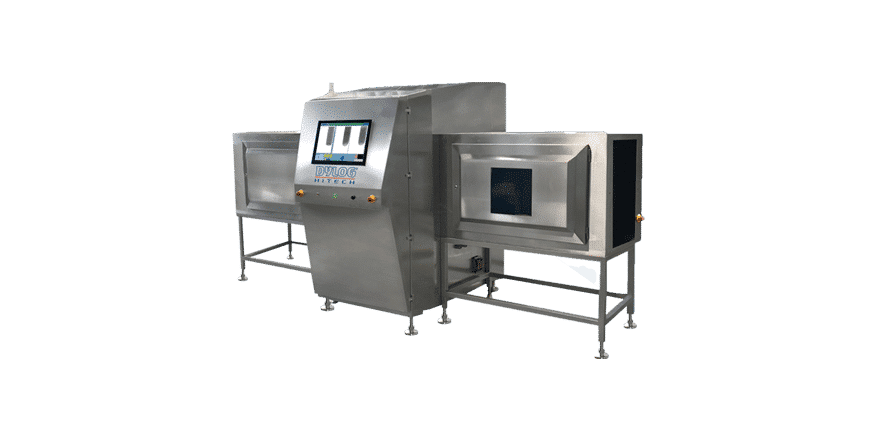
X-Rays Scanner DYNAMITE 120-160
An innovative and high-performance solution -

-
-
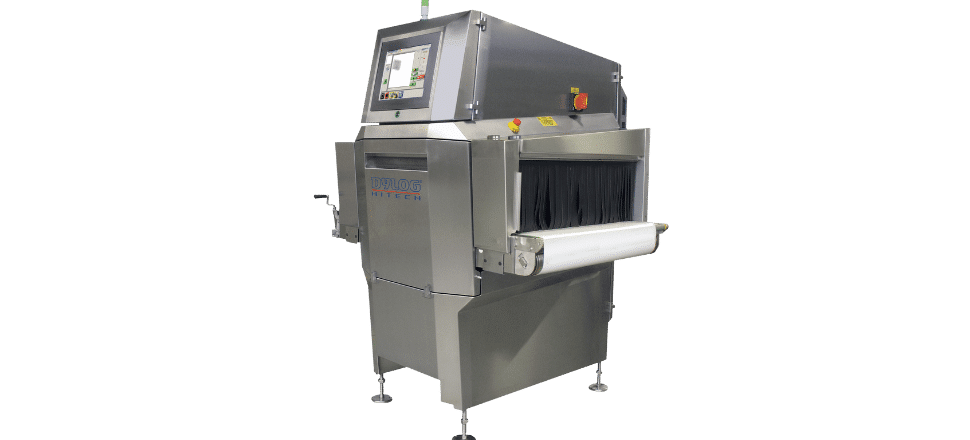
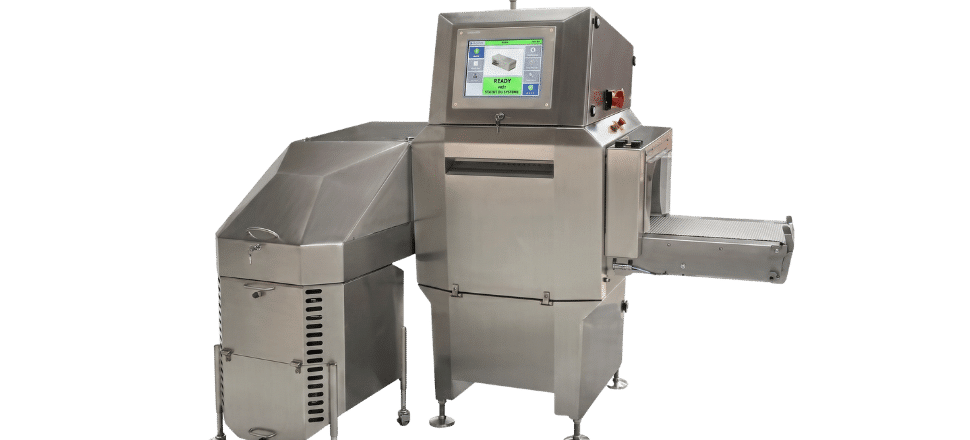
-
X-RAYS Scanner DYMOND 80
It offers both reliability and ergonomics, and sets new standards in X-Rays detection. A solution that brings you both performance and production optimization.
-

X-RAYS Scanner - DYMOND 40
A solution that brings you both performance and production optimization.
-

X-RAYS Scanner- DYMOND D
It offers both reliability and ergonomics, and sets new standards in X-rays detection. A solution that brings you both performance and production optimization.
-

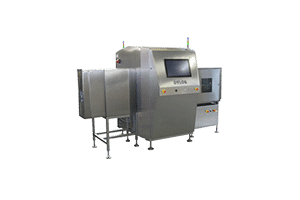
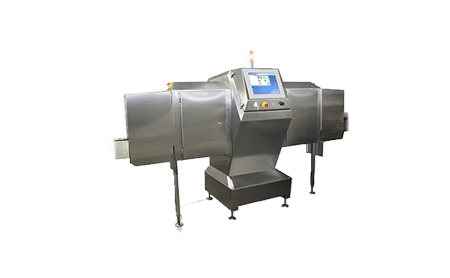
X- Rays Scanner - DYLIGHT S
Discover the latest DYLOG innovation the DYLIGHT S which combines engineering and performance.
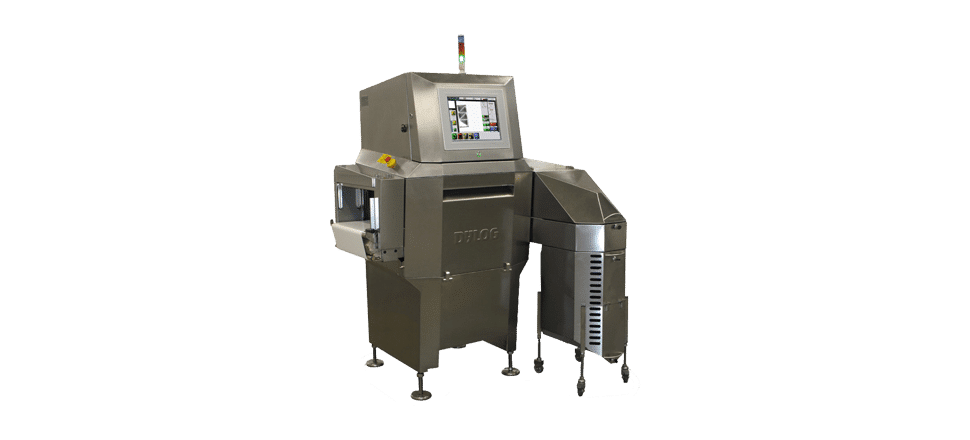
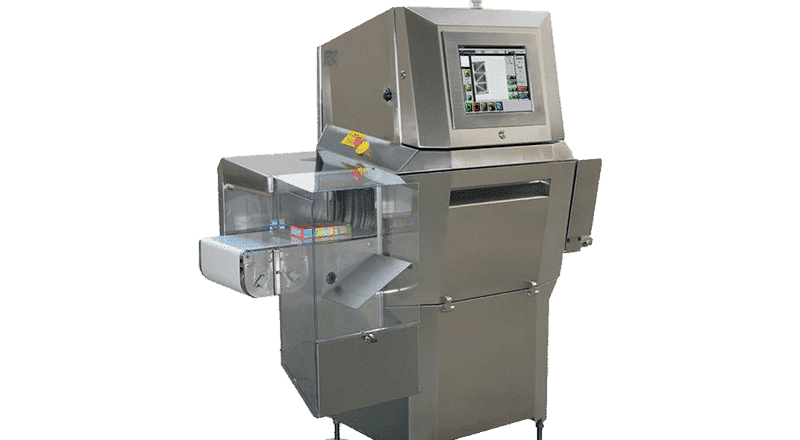
-
X-RAYS SCANNER - DYlight 80
The new DYMOND range combines the latest design and engineering technologies with the new powerful and intuitive Dylog software.
-
X- RAYS SCANNER - DYMOND S
Like all new machines in the Dymond series, the inspection unit of the new Dymond S combines high detection performance with low power equipment.
-
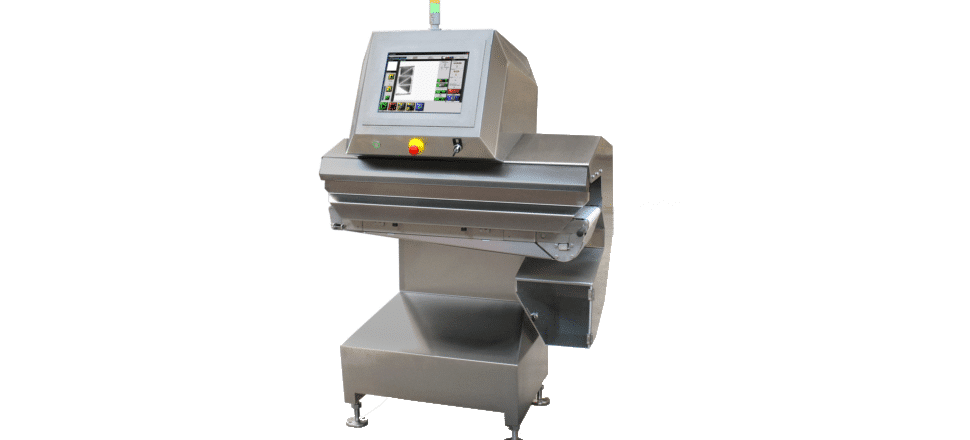
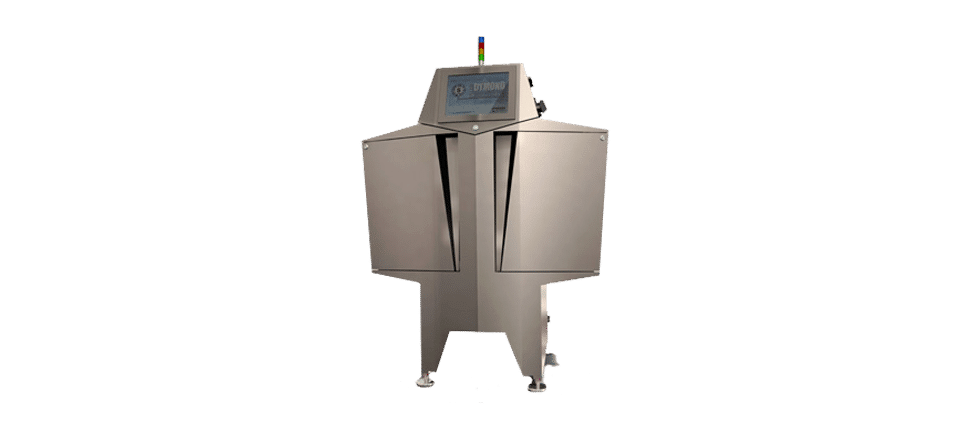
X-RAYS Scanner - Dynamite X-FAN
The new range combines the latest design and engineering technologies with new powerful and intuitive Dylog software.
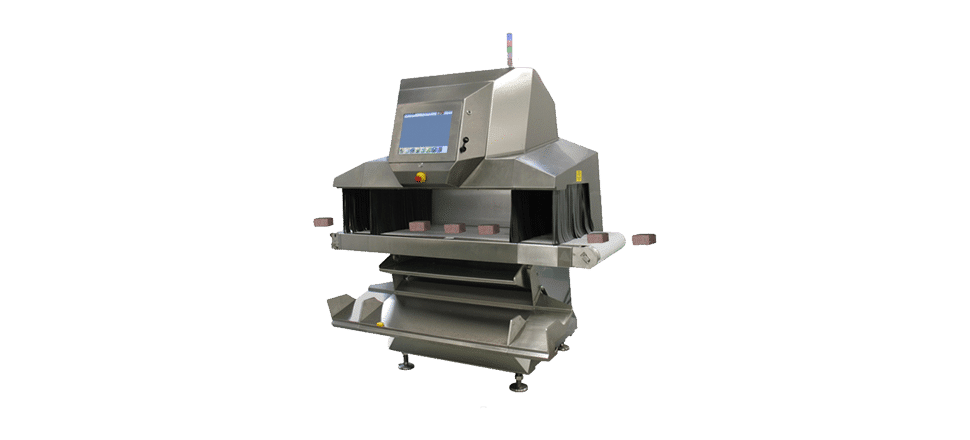
Foreign bodies have become the first source of consumer complaints in the food-processing industry, highlighting the critical importance of effective detection and prevention systems. Various detection techniques exist to realize the detection, spatial location, and sorting for the ejection of foreign bodies possibly present in products, with each technology offering specific advantages for different types of contaminants and materials.
Metallic contaminants include ferrous metals (iron, steel), non-ferrous metals (aluminum, copper, brass), and stainless steel fragments that can originate from equipment wear, machining debris, or raw material contamination. Metal detectors are specifically designed to detect these metallic contaminants but have limitations with non-metallic foreign bodies.
Glass and hard plastic particles are common foreign bodies that can cause serious injuries if consumed, with glass fragments as small as 0.5 mm detectable using proper imaging techniques. These contaminants typically originate from broken equipment, light fixtures, bottles, or packaging materials.
Bone fragments and stones represent significant hazards in food products, particularly in meat, fish, and produce, where they can cause choking, dental damage, or internal injuries. X-ray inspection systems are particularly effective at detecting these dense materials based on their density differences from the surrounding product.
Organic foreign materials include wood, rubber, production webbing, sod, and insects that can contaminate products during production, harvesting, or processing. These materials are particularly challenging to detect because they often have similar density to the product itself, requiring advanced detection technologies like hyperspectral imaging.