





Pharmaceutical Research and Development
Pharmaceutical Research and Development (R&D) refers to the comprehensive process of discovering, developing, and bringing new medicines to market. The process begins with understanding the disease and investigating drug interactions with living organisms, ultimately aiming to develop safe and effective treatments that can improve or even save lives.
* By filling out the form, I accept the use of my personal data for professional purposes. Learn more about our Privacy policy
Documentation & Publications
-

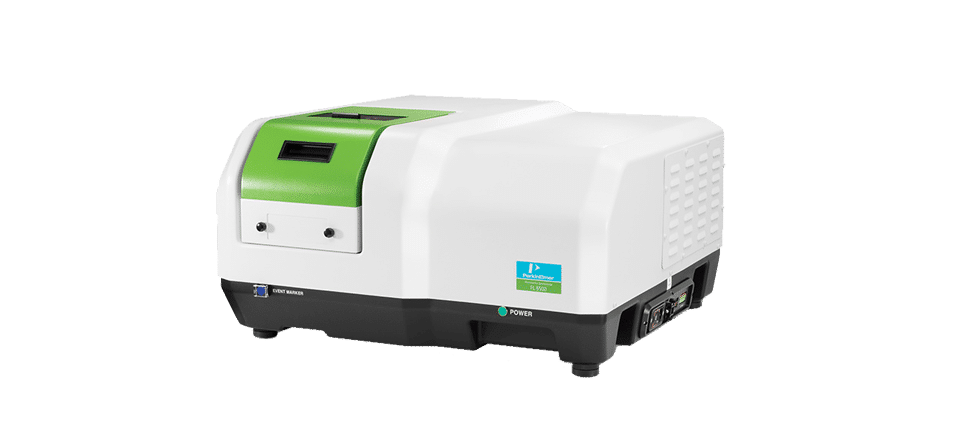
Fluorescence Spectrometers FL6500 & FL8500
The FL 8500 fluorescence spectrophotometer uses a continuous wave excitation source for high-sensitivity measurements at scanning speeds of up to 60,000 nm/min. With the new FL 6500 fluorescence spectrophotometer, your laboratory can generate accurate and reliable fluorescence data, regardless of the operator's experience level.
-
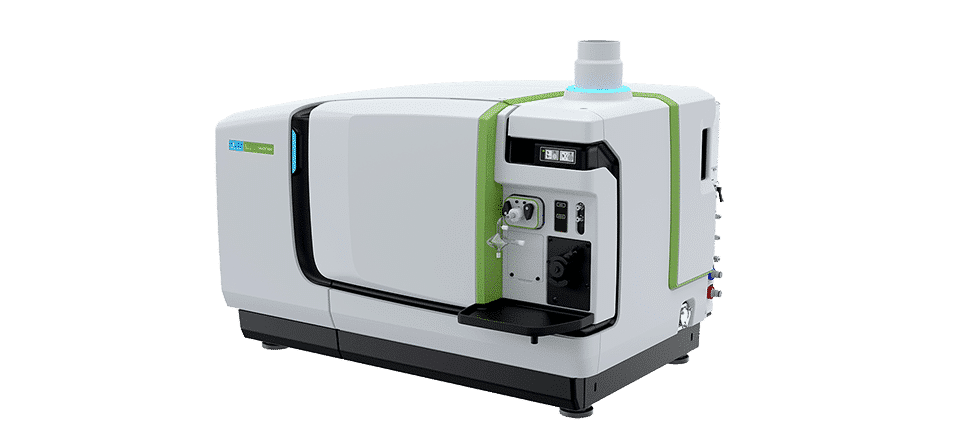
ICPMS Spectrometer NexION 5000
The NexION® 5000 is a multi-quadrupole-based instrument innovatively designed to remove the most complex interferences in ICP-MS analysis, ideal for applications in semiconductor (SEMI S2/S8 compliant with upgrade kit), biomonitoring and other industries. -
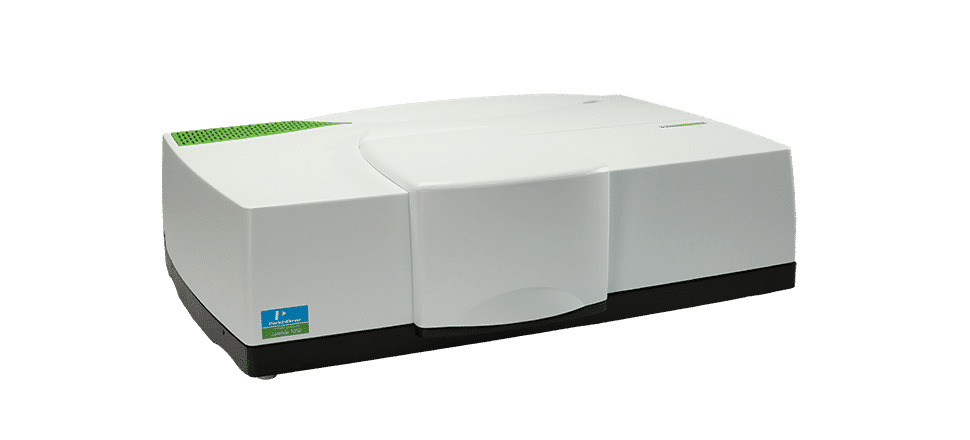
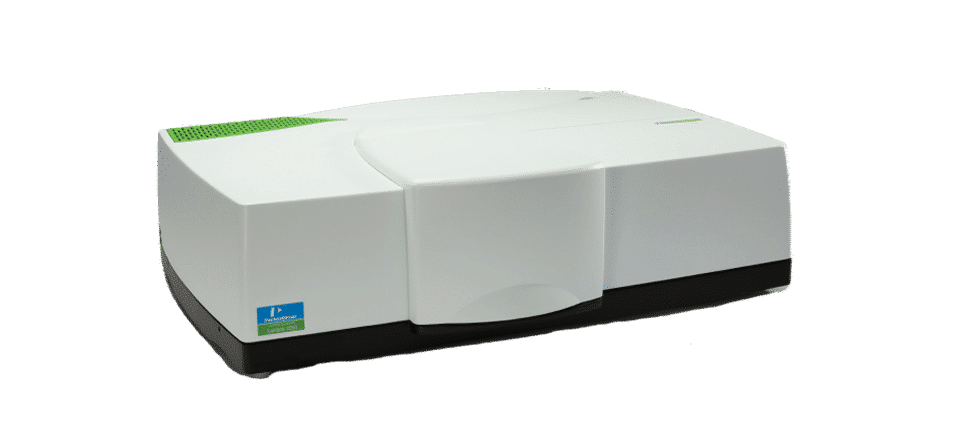
LAMBDA 1050+ UV/Vis/NIR Spectrophotometer
The high performance LAMBDA 1050+ offers unmatched flexibility by providing you the choice to configure systems to suit your needs. From selection of detectors to accessories that provide the most convenient and flexible approach to sampling than any other UV/Vis/NIR system available.
-
LAMBDA 850+ UV/Vis Spectrophotometer
It is designed for analysis of coatings, high performance glass, and components in both research and manufacturing. The instrument meets industry standards for ultra-high performance, flexibility, and convenience. -
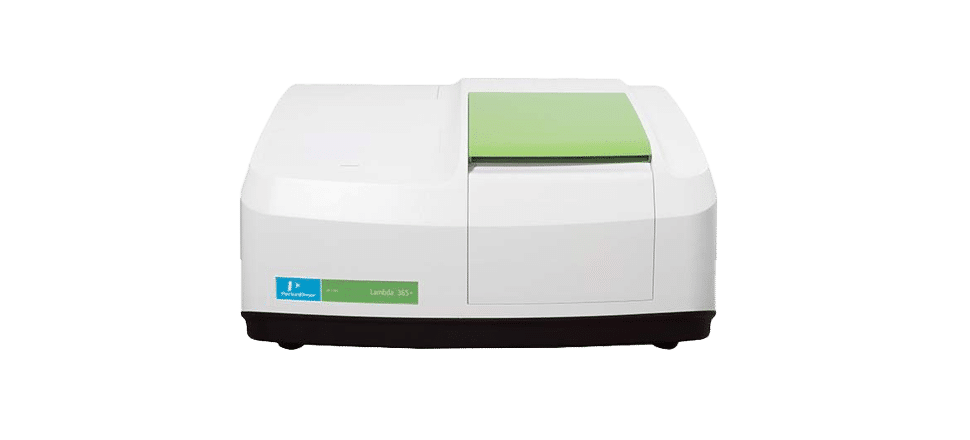
LAMBDA 365+ UV/Vis Spectrometer
The LAMBDA 365+ delivers state-of-the-art UV Vis performance that meets the needs of pharmaceuticals, analytic chemists, geneticists, and manufacturing QA/QC analysts everywhere. With 21 CFR part 11 compliant software available, the LAMBDA system is ready to support everything from standard methods and applications to those requiring regulatory compliance. -
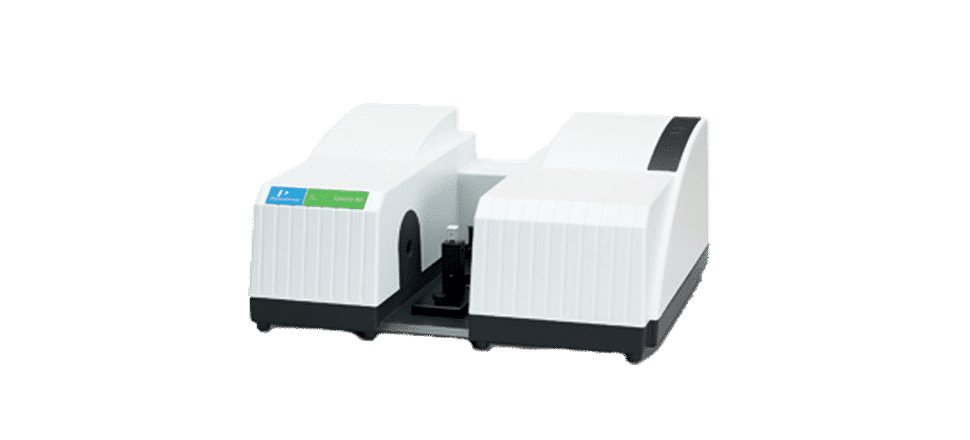
LAMBDA 465 UV/Vis Spectrophotometer
Designed specifically for high-end research as well as routine and high-throughput applications, the LAMBDA™ 465 UV/Vis is the innovative PDA solution that provides maximum reliability – for maximum confidence in your results. -
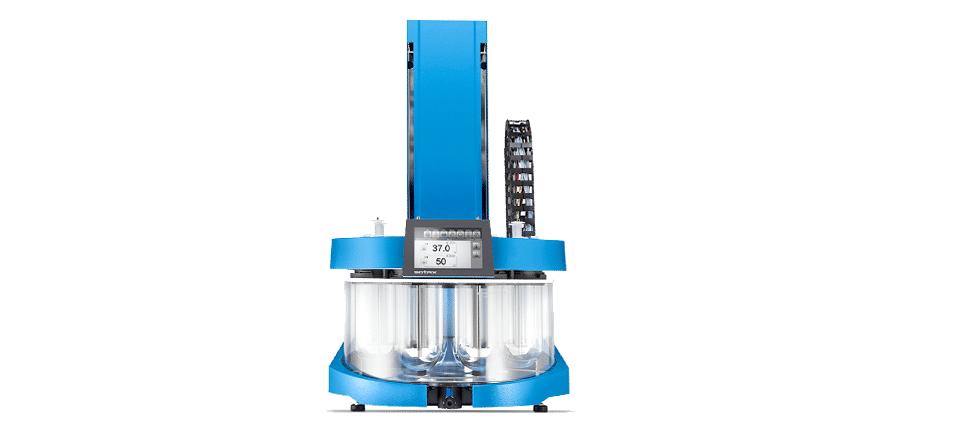
Dissolution Testing USP 1/2/5/6 AT Xtend
Xtend™ allows flexible automation of your dissolution processes. Changing testing requirements? Standardized Xtend™ modules can be combined to differently automated dissolution systems - making method transfer and scale-up easier than ever. From manual baths to fully automated dissolution systems with multiple networked systems, Xtend™ is one platform for all your dissolution needs.
-
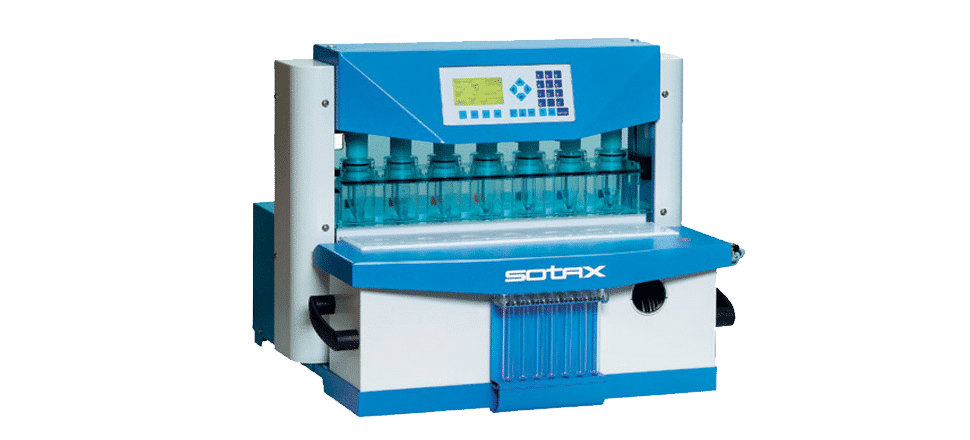
Flow-through Dissolution USP 4
Dissolution in continuous flowClosed loop or open system mode Achoice of cell adapted to each gamenic form -
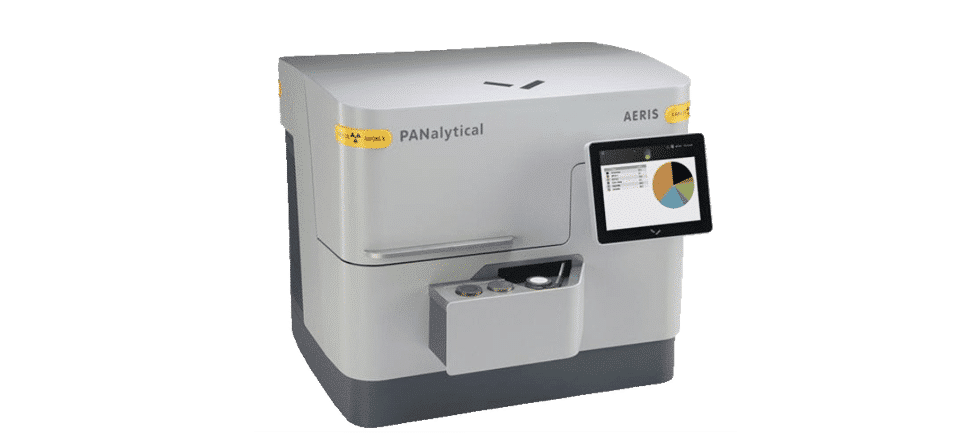
Aeris
Aeris will impress you with data quality and speed of data acquisition so far only seen on full-power systems. -
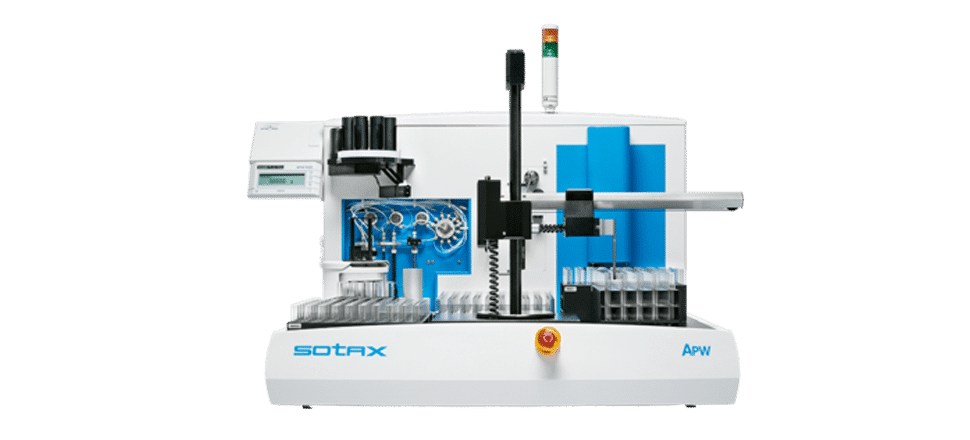
Active processing workstation
Automaton for extracting sample by sonication, dissolution, filtration and dilution.
-
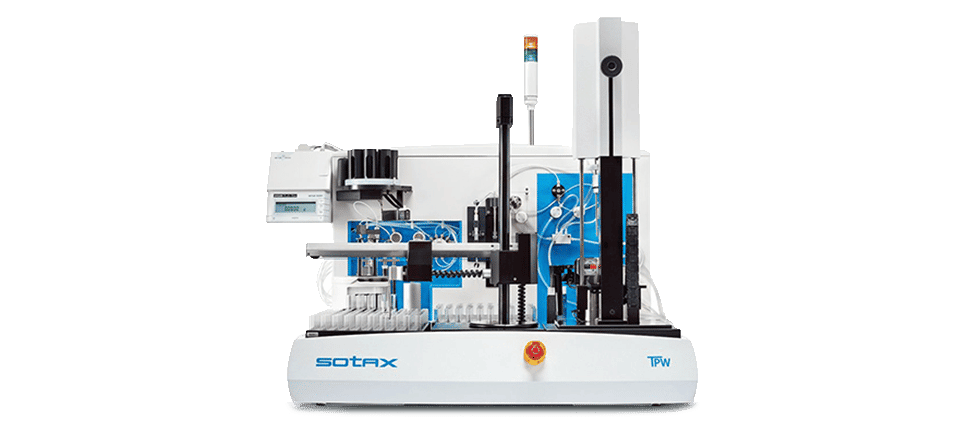
Tablet processing workstation
Automaton for extracting by grinding, dissolution, filtration and dilution of tablets for content uniformity test
-
-
Xevo G2-XS QTof mass spectrometer
Combining robustness, sensitivity, quality and fiability, the spectrometer Xevo® G2-XS QT is perfect for scientists wishing to identify, quantify and confirm a wide variety of compounds even in the most complex samples.
-
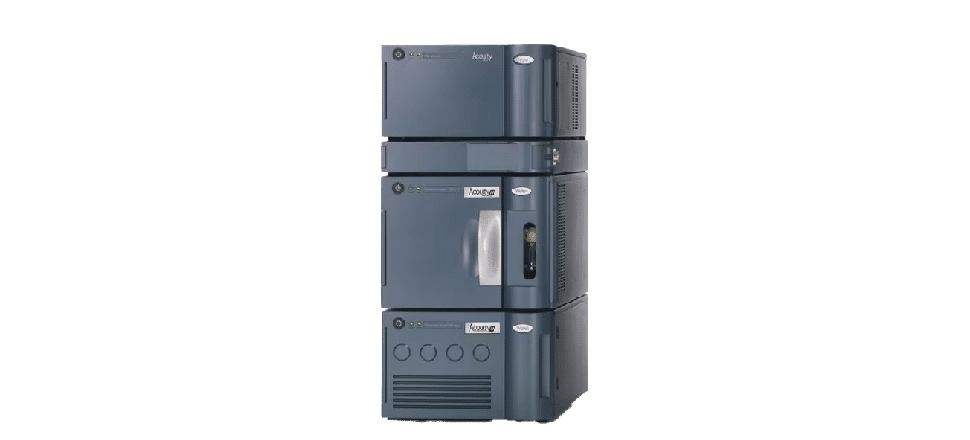
ACQUITY UPLC H-Class system
ACQUITY UPLC System The H-Class present the highest resolution among all quaternary chromatographic systems on the market.
-
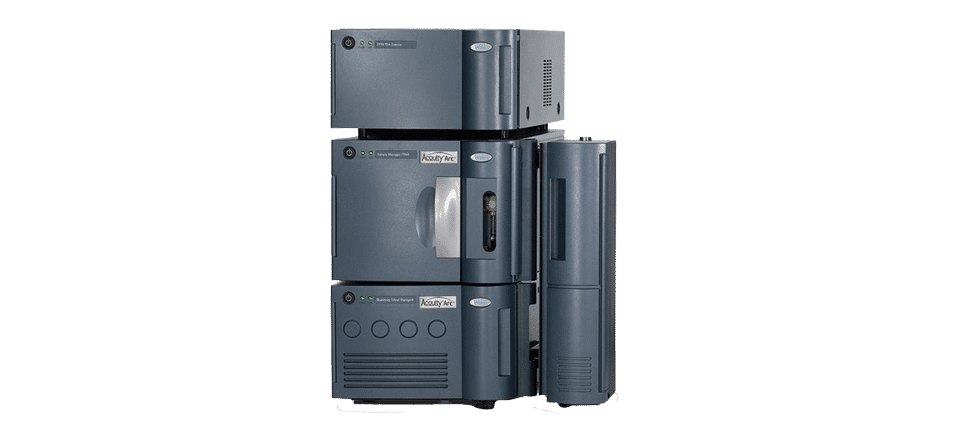
ACQUITY Arc HPLC
The ACQUITY Arc system is an innovative quaternary LC system for chromatographers who are already working with demanding methods that are both versatile and resistant.

-
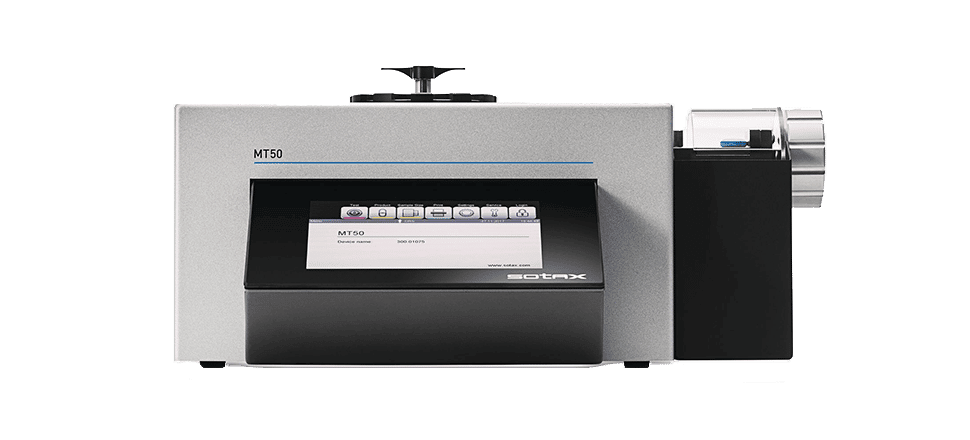
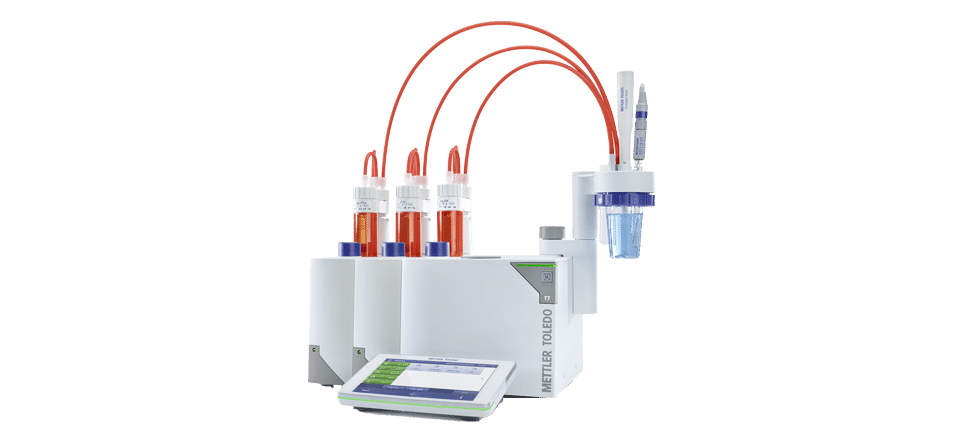
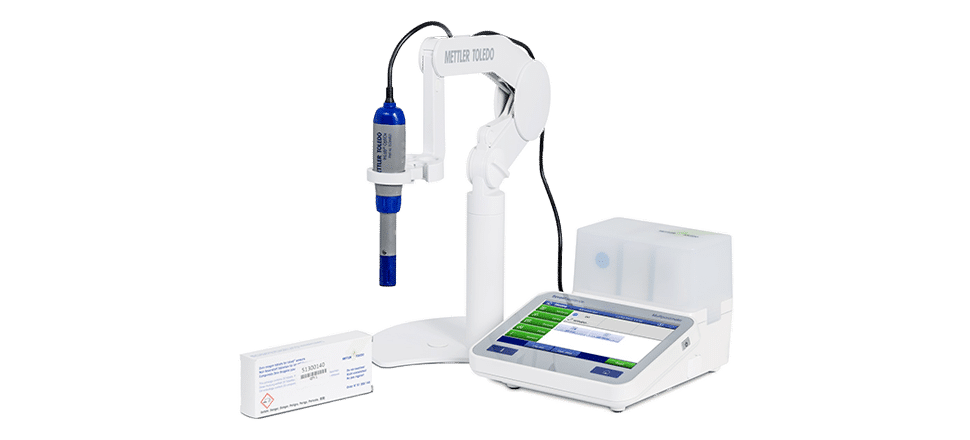
Excellence Titrators
The Titration Excellence line offers many advantages such as One Click Titration Plug & Play and method database.
INFO : T50, T70 and T90 instruments are no more supported.
Contact us for tailored replacement solutions -
-
PinAAcle 900H Atomic absorption spectrometer
Spectrometer and a flame oven, compact and intuitive to provide performance and reliability. -
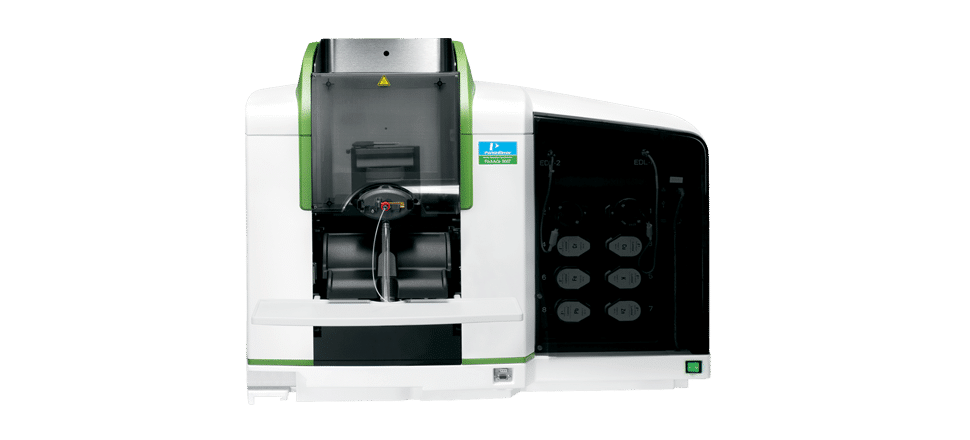
PinAAcle 900T Atomic absorption spectrometer
The reference in atomic absorption spectrometry! The flame and graphite furnace technology pushed to their maximum performance, the most difficult samples.
-
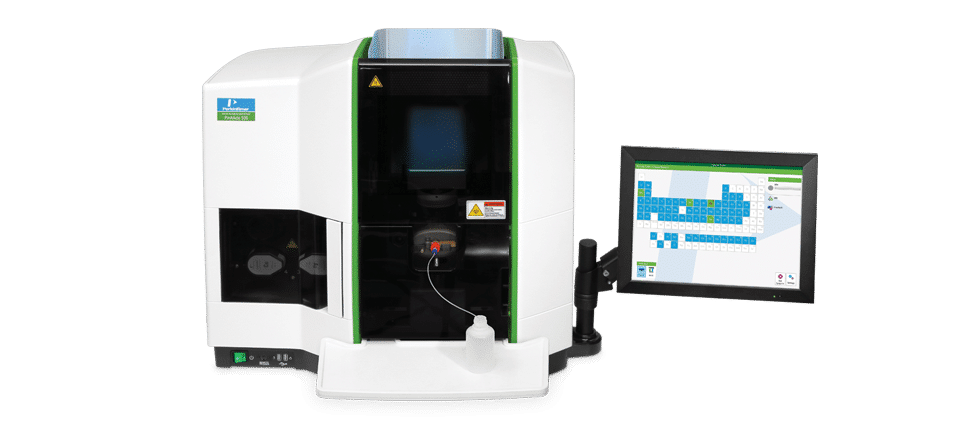
PinAAcle 900Z Atomic absorption spectrometer
The best innovations PerkinElmer for optimal analysis on the most difficult samples. -
PinAAcle 500
PerkinElmer’s PinAAcle™ 500 is the world’s first completely corrosion-resistant flame atomic absorption (AA) spectrometer, designed to withstand the harshest environments and most corrosive samples. -
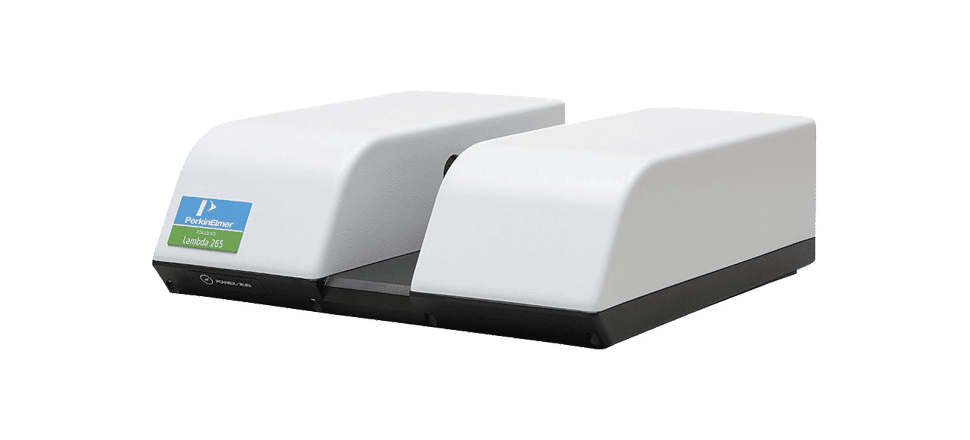
LAMBDA 265 UV/Vis Spectrophotometer
The NEW LAMBDA 265 delivers a new level of confidence.
During drug discovery research, researchers employ state-of-the-art technology to screen for and identify highly effective compounds and conduct basic research using external resources. This stage involves target identification by understanding the disease mechanism and identifying biological targets for intervention, followed by compound screening where thousands to millions of compounds are tested to identify potential drug candidates. Researchers then perform lead optimization by refining promising compounds to improve efficacy, safety, and pharmacokinetic properties, and conduct pre-clinical research using laboratory and animal studies to evaluate biological activity and toxicity before human testing.
The identified drug candidates then proceed to the drug development stage, where researchers lay the groundwork for filing and approval around the world. This stage includes physicochemical and biological property evaluation to assess the compound’s characteristics and behavior, quality assurance to ensure the compound meets quality standards and regulatory requirements, and process chemistry research to develop methods for large-scale synthesis and manufacturing. Formulation development creates the final drug product format such as tablets, injections, or capsules, while stability testing evaluates how the drug degrades over time under various conditions.
Drug candidates that clear development research are elevated to the clinical research stage, which is the longest and most expensive phase of drug development. Phase I clinical trials test the drug in small groups of healthy volunteers ranging from 20 to 100 people to evaluate safety, dosage range, and side effects. Phase II clinical trials test the drug in larger groups of patients from 100 to 300 people with the target disease to assess efficacy and further evaluate safety. Phase III clinical trials test the drug in large patient populations from 1,000 to 3,000 people to confirm efficacy, monitor side effects, and compare with existing treatments. After successful clinical trials, drug candidates that are approved by regulatory authorities such as the FDA or EMA can be launched on the market.