





Signalling
Signalling refers to the use of signals for controlling communications and the information exchange concerning the establishment and control of connections in telecommunications networks, in contrast to user information transfer. Signalling forms the backbone of how we convey information, control complex processes, and interpret the world around us, orchestrating activities from railway networks guiding trains safely to the delicate exchange of data in smartphones.
* By filling out the form, I accept the use of my personal data for professional purposes. Learn more about our Privacy policy
Documentation & Publications
-

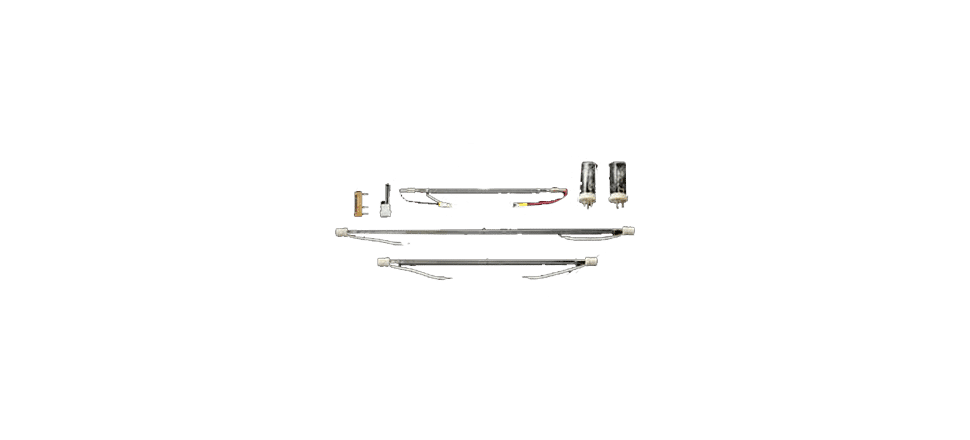
XENON Flash Tube
Excelitas Technologies' XENON flash tubes offer intense and reliable light emission for a variety of applications, ensuring superior performance and extended lifespan. -
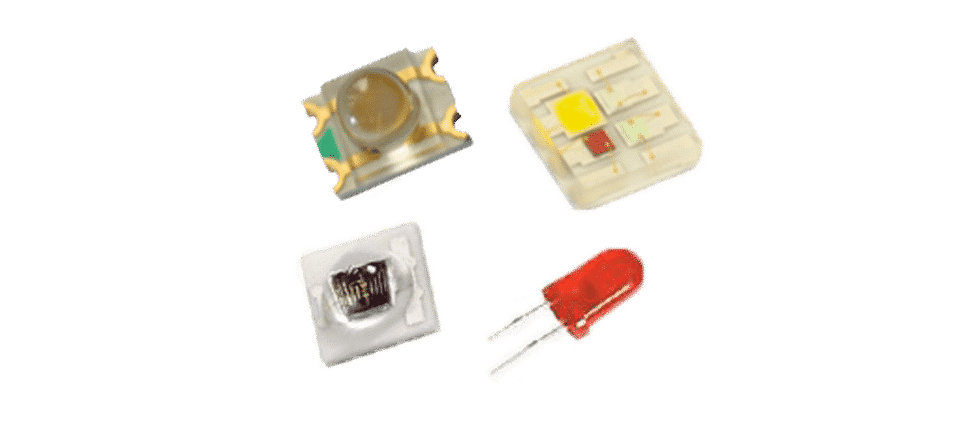
Visible and NIR LED
BRIGHTEK's Visible and NIR LEDs provide an efficient solution for a wide range of applications requiring both visible and near-infrared light.
In telecommunications, signalling encompasses the sending of a signal from the transmitting end of a circuit to inform a user at the receiving end that a message is to be sent, and signalling systems can be classified according to their principal properties. The term also applies broadly to road traffic control, railway systems, biological communication, and economics where signals convey information between parties.
Telecommunications signalling controls the establishment, management, and termination of communication connections in telephone and data networks. This includes out-of-band signalling where control information is transmitted on a separate channel from user data, and in-band signalling where control and user data share the same channel. Modern telecommunications networks use sophisticated signalling protocols such as SS7 (Signalling System No. 7) for telephone networks, SIP (Session Initiation Protocol) for internet telephony, and various wireless signalling protocols for mobile communications.
Railway signalling is a critical safety system that controls train movements to prevent collisions and ensure safe operation of railway networks. Railway signalling systems use track circuits, signals, switches, and interlocking systems to control train movements and maintain safe distances between trains. Modern railway signalling incorporates digital technologies and Positive Train Control (PTC) systems that automatically stop trains before potential accidents occur.