



Food quality control
Food quality control refers to the comprehensive system of procedures and practices implemented to ensure that food products meet established standards of quality, safety, and regulatory compliance throughout the entire production chain from raw materials to finished products. The quality control technician in the food industry is the guarantor of the quality of manufactured products, ensuring quality control throughout the entire manufacturing chain from raw materials to finished products.
* By filling out the form, I accept the use of my personal data for professional purposes. Learn more about our Privacy policy
Documentation & Publications
-

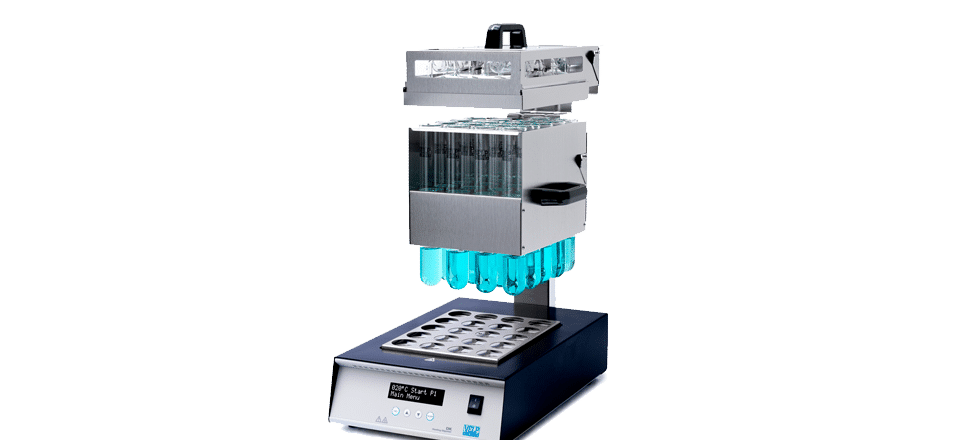
DK 20 Digestion Unit
Kjeldahl Digestion Units with 20-position aluminum heating block that offers an excellent thermal homogeneity. -
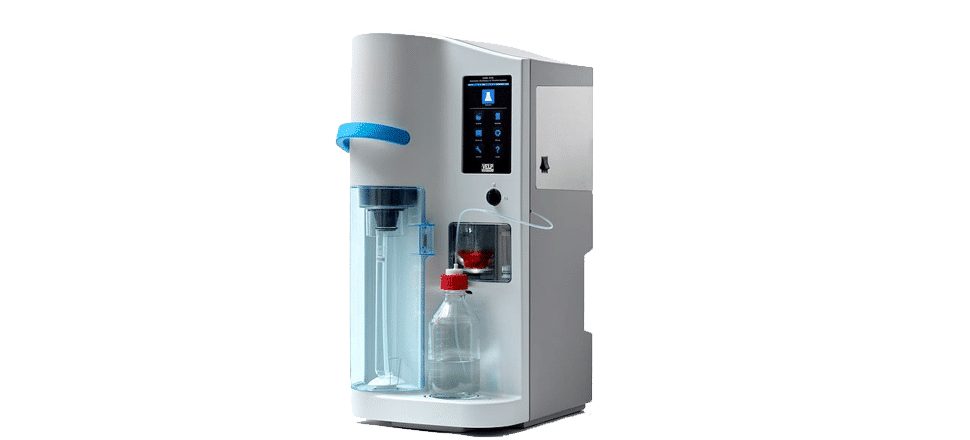
UDK 159 Automatic Kjeldahl Nitrogen Protein Analyzer
Fully automatic distillation and titration for Kjeldahl protein determination, Non-Protein Nitrogen (NPN), volatiles and more. Meeting the most demanding requirements in terms of precision, accuracy, and safety. -
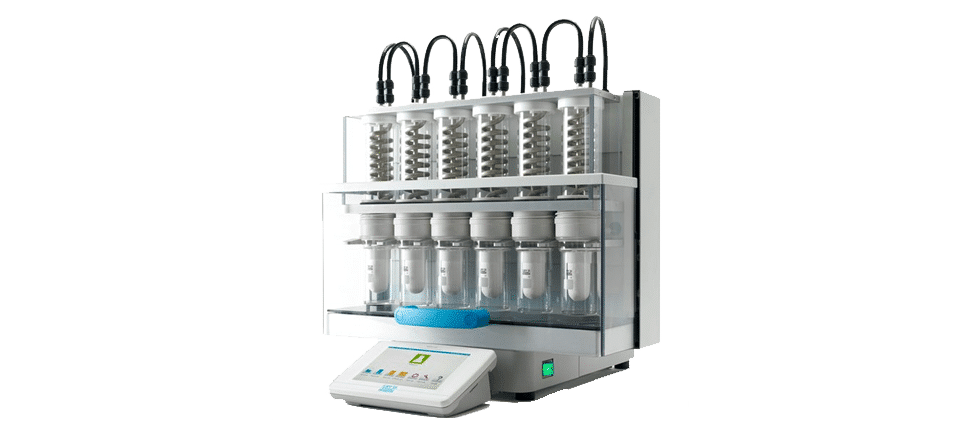
SER 158 Series Automatic Solvent Extractor
Fully automatic and cloud-enabled extractors, available in 3 and 6 positions that guarantee security, accuracy and precision in the determination of extractable matter according to Randall and Twisselmann.
Food quality control involves verifying physical and chemical characteristics such as freshness, appearance, color, and weight through tests and sampling, while ensuring compliance with applicable standards and regulations and addressing any non-conformities detected during the production process. This critical function ensures food safety within production facilities and protects consumers from potential health risks.
Reception controls represent the first critical checkpoint where quality control technicians verify the quality of incoming raw materials and components before they enter production. This includes taking samples and analyzing raw materials in bulk, bags, or big bags, checking temperature, appearance, and organoleptic properties, and verifying supplier documentation and certificates of analysis. Proper reception controls prevent contaminated or substandard materials from entering the production process and compromising product quality.
In-process controls are conducted during manufacturing to monitor production quality and detect defects early. These controls include monitoring production parameters such as temperature, time, mixing, and processing conditions, performing physical and chemical tests at various stages of production, and ensuring hygiene standards are maintained throughout the production area. In-process controls enable immediate corrective actions when parameters deviate from specifications, preventing waste and ensuring consistent product quality.
Final product controls are performed on finished products before they are released to the market. This includes comprehensive testing of finished products against quality specifications, microbiological analysis to detect pathogens and ensure food safety, physico-chemical analysis to verify composition and quality attributes, and packaging and labeling verification to ensure compliance with regulatory requirements. Only products that meet all quality criteria are approved for distribution.
Environmental controls monitor the hygienic conditions of production facilities including floor cleanliness, equipment sanitation, air quality, and surface contamination. These controls include microbiological sampling of environmental surfaces, allergen testing to prevent cross-contamination, and verification of cleaning and sanitation procedures. Environmental controls are essential for maintaining hygiene standards and preventing product contamination during production.