



 Electrochemistry & electrical testing / Electrochemistry Analysis / Electrochemistry / Electrochemistry Accessories
 Electrochemistry Accessories
HTDS and it’s partner Princeton Applied Research offer you a set of accessories adapted to implement your electrochemical measurements :
- Complete cells : HTDS proposes 4 cells studied to simplify your electrochemical experiments, our cells include the glassware, the reference electrodes and for some the counter electrodes.
- Electrodes : Ag / AgCl, Platinum, Vitreous carbon, milli and microelectrodes
- Accessories : Micro-balance to Quartz, rotation system for EDI, LockIn, system for control of electrode with drop of mercury
A rotating disk electrode (RDE) is used to polarize a ring electrode and a disk electrode. The electrochemical reaction causes mass transport that can be measured
* By filling out the form, I accept the use of my personal data for professional purposes. Learn more about our Privacy policy
-

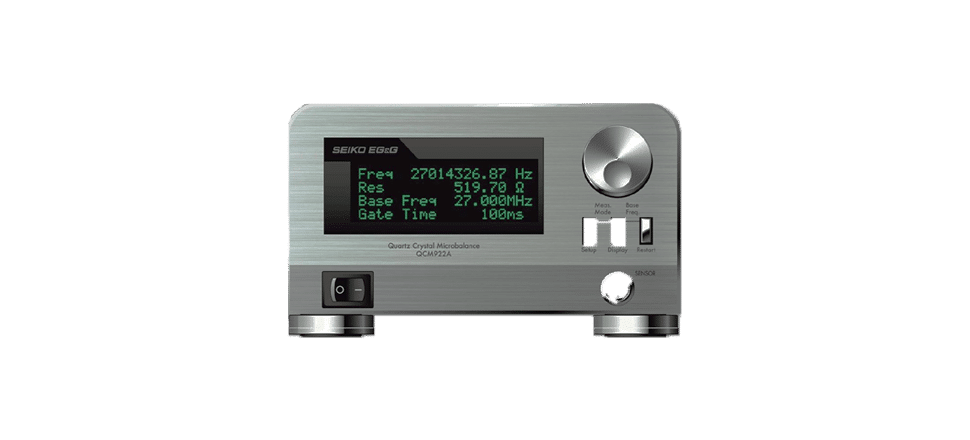
Electrochemical analysis Quartz micro-balance (EQCM)
The QCM922 microbalance has been developed for piezoelectric gravimetry for masses ranging from nano-gram to microgram.
-
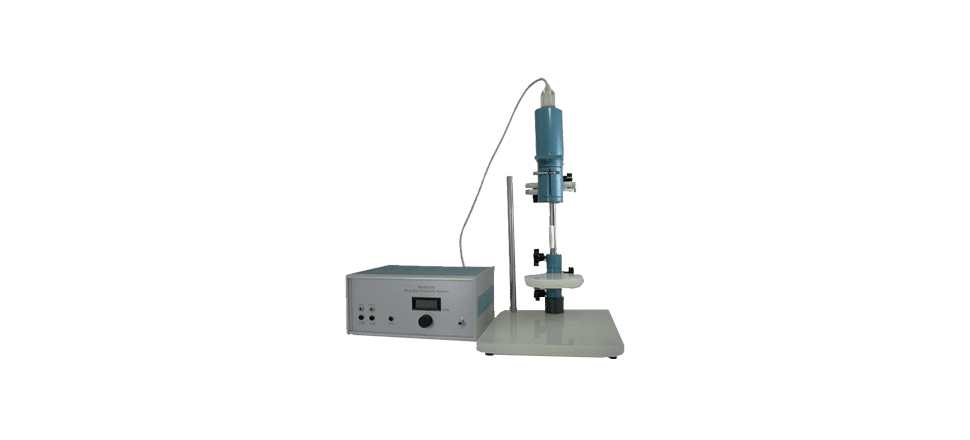
Rotating Ring-Disk Electrode
The 636A rotator allows you to use disk electrodes or rings, it is controllable by Solartron and Applied Research.
-
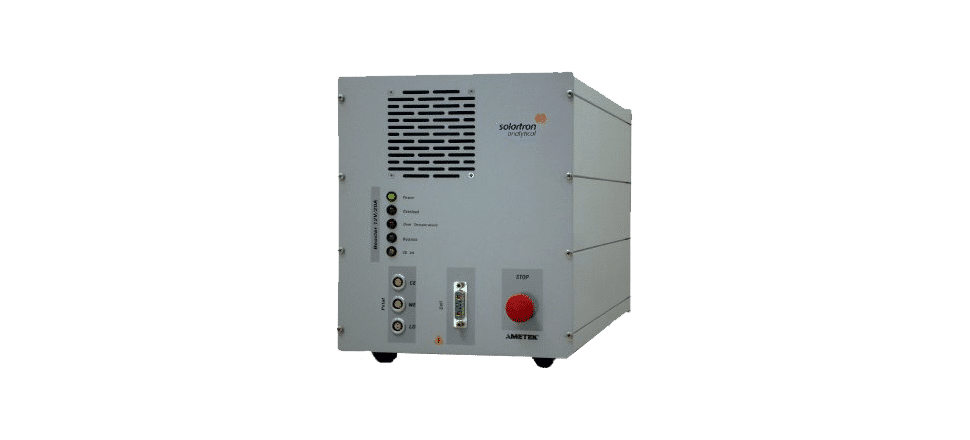
Power Booster
Solartron Analytical current boosters allow you to perform electrochemical measurements with currents up to 100A.
descriptions
Electrochemistry accessories are essential components and tools that complement electrochemical instruments such as potentiostats and galvanostats. They include electrodes, cells, connectors, and other consumables that enable accurate measurements, reliable experimentation, and optimal performance in research, material testing, and battery development. Proper accessories ensure reproducibility, precision, and efficiency in all electrochemical applications.
HTDS provides a wide range of electrochemistry accessories designed for compatibility, durability, and ease of use. These high-quality components support both laboratory and industrial workflows, enhancing data accuracy and experimental reliability. With HTDS solutions, professionals can optimize electrochemical studies, maintain instrument performance, and achieve consistent, high-quality results across diverse applications.