


Physico-chemical analysis
Physico-chemical analysis involves examining the physical and chemical properties of materials, liquids, and solids to ensure quality, safety, and performance. Techniques such as spectroscopy, chromatography, titration, and thermal analysis provide accurate composition and property measurements.
* By filling out the form, I accept the use of my personal data for professional purposes. Learn more about our Privacy policy
Documentation & Publications
-

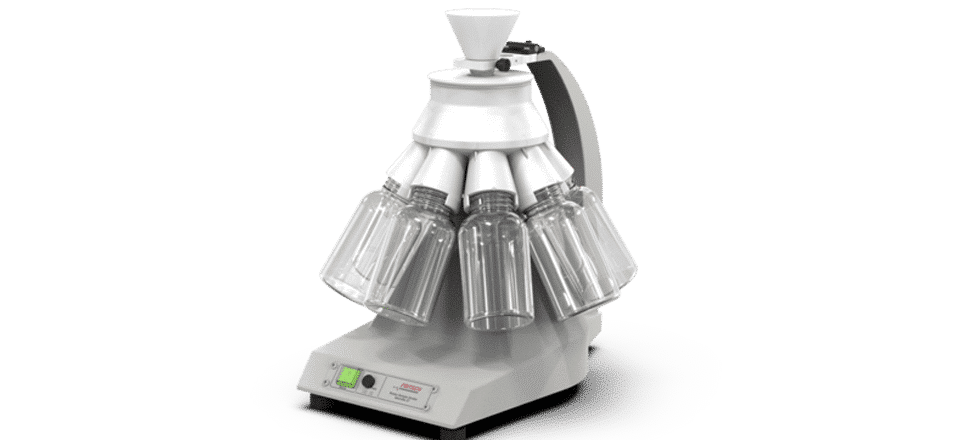
Rotary Cone Sample Divider LABORETTE 27
The sample feed funnel of the LABORETTE 27 guides the sample material centred onto the point of the rotating cone. -
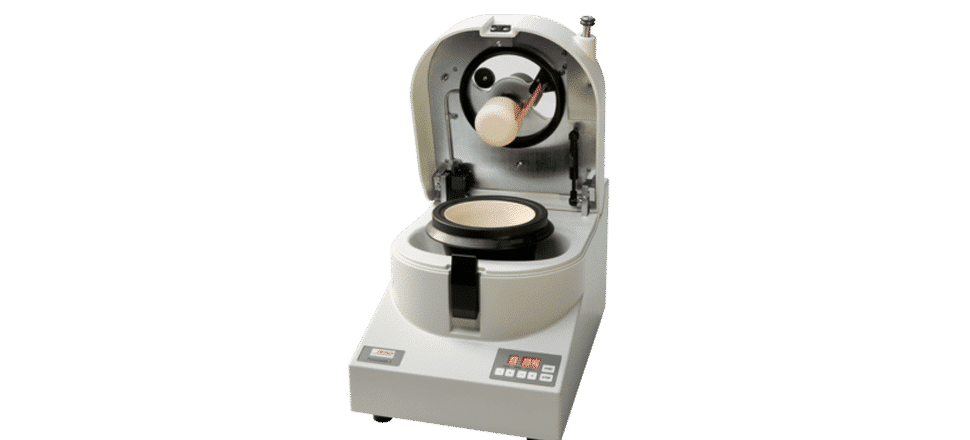
Mortar Grinder PULVERISETTE 2
Ideally suited for mixing of solids or liquids and solids -
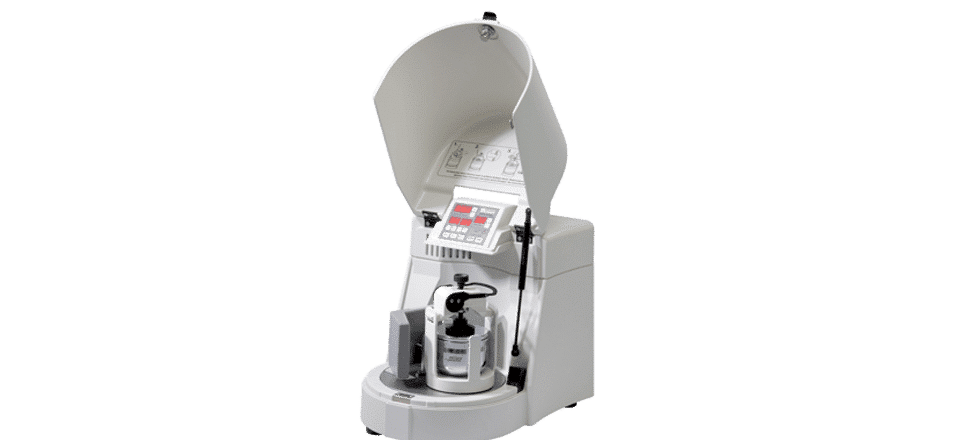
Planetary Mono Mill PULVERISETTE 6 classic line
The Planetary Mono Mill PULVERISETTE 6 classic line is a high-performance Planetary Ball Mill with a single grinding bowl mount and practical, easily adjustable imbalance compensation.
-
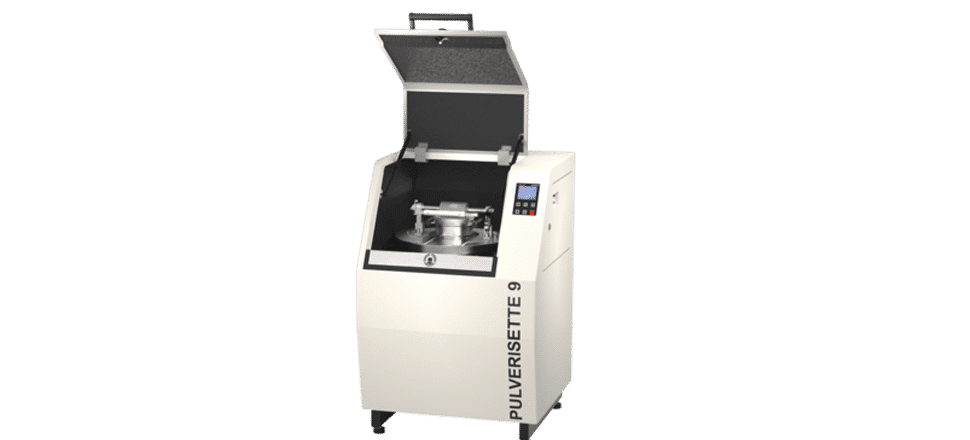
Vibrating Cup Mill PULVERISETTE 9
The new, completely modified FRITSCH Vibrating Cup Mill PULVERISETTE 9 offers many practical advantages in all areas in which hard, brittle and fibrous material must be ground extremely quick down to analytical fineness. -
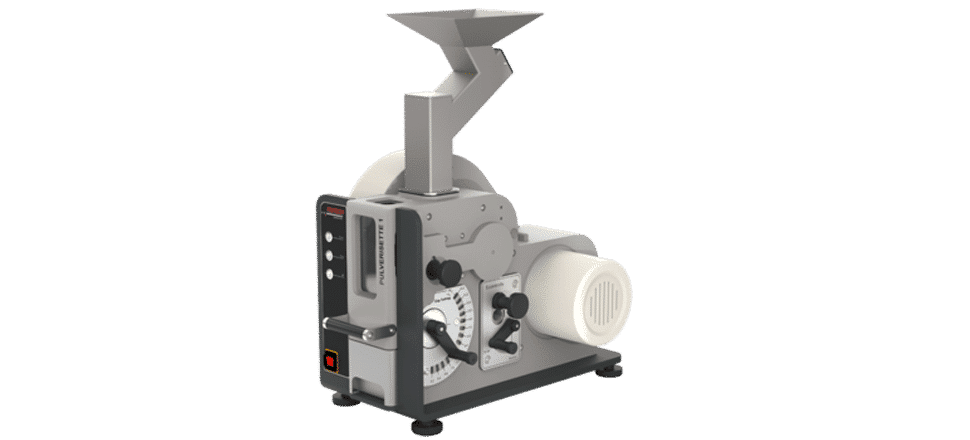
Jaw Crusher PULVERISETTE 1 classic line
Model I of the FRITSCH Jaw Crusher PULVERISETTE 1 classic line is ideal for a maximum feed size of 60 mm and a maximum continuous throughput of up to 140 kg/h depending on material and gap adjustment. -
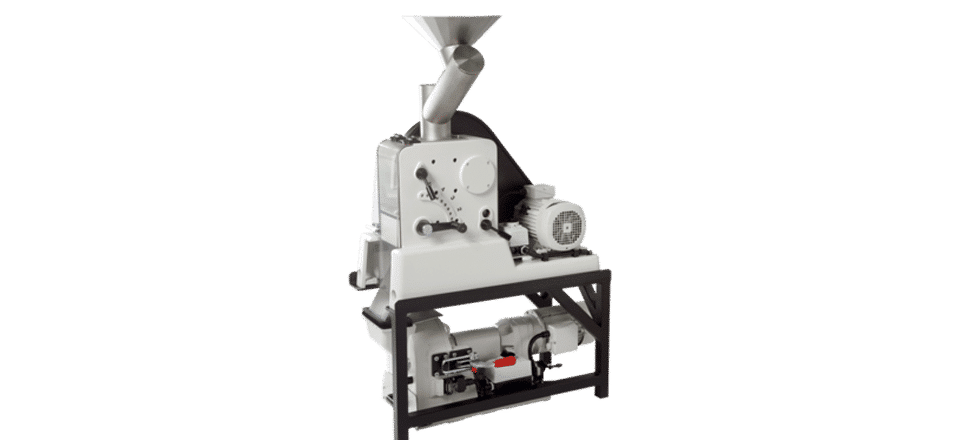
Jaw Crusher PULVERISETTE 1 premium line
The extra powerful FRITSCH Jaw Crusher PULVERISETTE 1 premium line with its up to 3 kW drive power ensures an exceptionally high throughput and is the ideal instrument for fast and effective pre-crushing - batchwise or continuous – of hard or very hard brittle materials even hardest ferrous alloys!
Modern physico-chemical analysis systems integrate advanced instrumentation, automated workflows, and data processing software for reliable and reproducible results. Widely used in pharmaceuticals, environmental labs, materials research, and industrial quality control, they enhance analytical precision, improve process efficiency, and support regulatory compliance.