



DSC
Differential Scanning Calorimetry (DSC) is an analytical technique used to measure the heat flow associated with phase transitions, chemical reactions, and thermal stability of materials. It is widely employed in pharmaceuticals, polymers, materials science, and chemical research to study melting points, crystallization, glass transitions, and decomposition processes. Accurate DSC analysis is critical for understanding material properties, ensuring quality, and optimizing formulations.
* By filling out the form, I accept the use of my personal data for professional purposes. Learn more about our Privacy policy
-

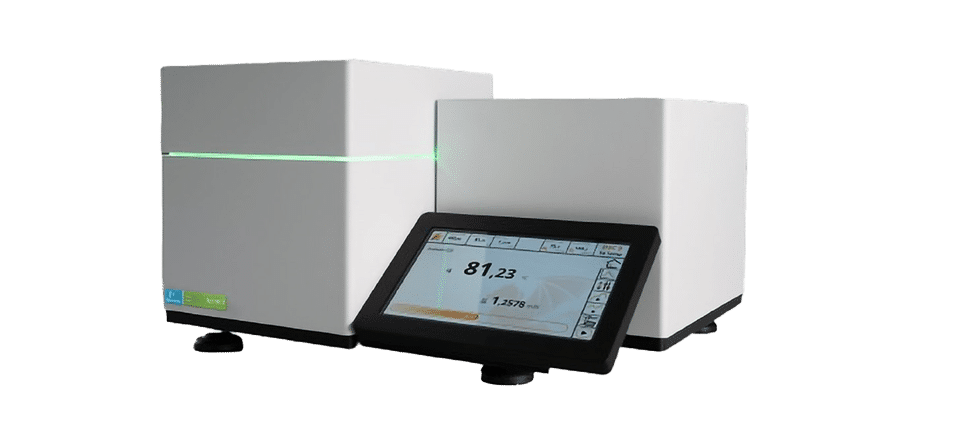
Pyris DSC 9 Differential Scanning Calorimeter
The Pyris DSC 9 Differential Scanning Calorimeter enables comprehensive sample analysis, offering precise temperature management and ease of use through its intuitive touchscreen interface.
-
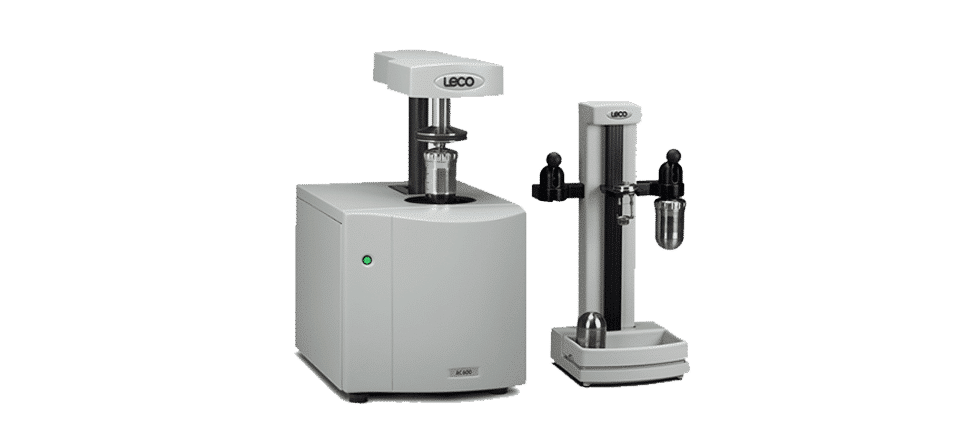
Semi-Automatic Isoperibol Calorimeter AC600
The calorific value is one of the most important quality parameter of solid fuels, like coal, coke and biomass as well as waste materials. Calorific value of a sample is determined by precisely measuring the heat released after combustion of the sample in a controlled environment. The heat released is proportional to the calorific value of the substance.
-
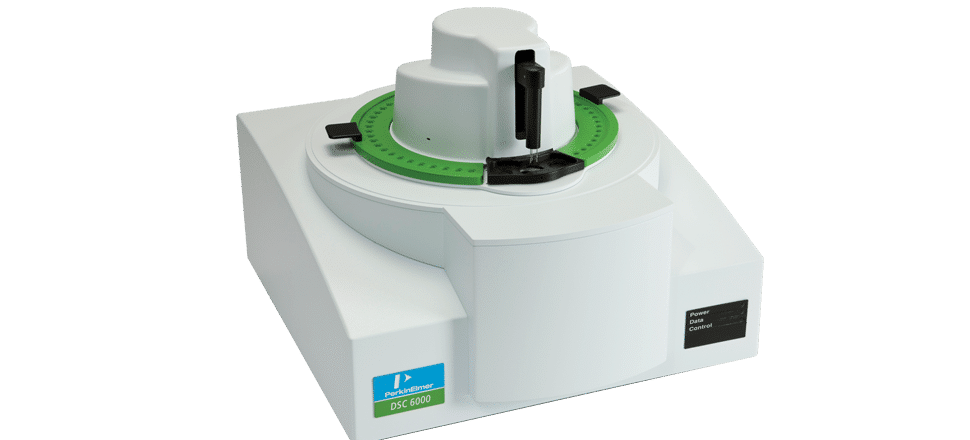
Differential scanning calorimeter DSC4000/6000
The DSC 4000 and 6000 instruments are compact and easy to use with peformances for the routine and the R & D
-
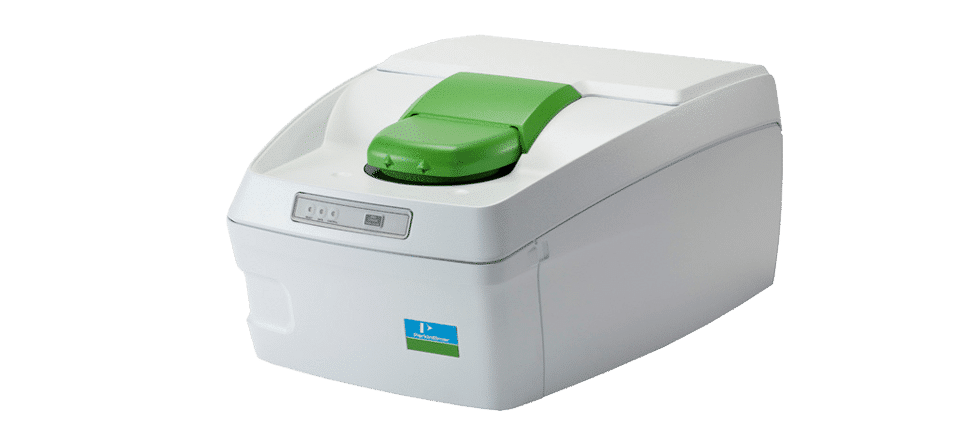
Differential scanning calorimeter DSC8000/8500
The only DSC with two ovens, for more flexibility and unmatched performance.
descriptions
HTDS offers advanced DSC instruments designed for precision, reliability, and ease of use. Equipped with sensitive sensors and intuitive software, these systems provide accurate and reproducible thermal data across a wide range of sample types. With HTDS technologies, professionals can enhance material characterization, support research and development, and maintain high standards of quality and efficiency in laboratory and industrial applications.